
 Music Production
Podcast Intro Music and Sonic Identity: A Guide
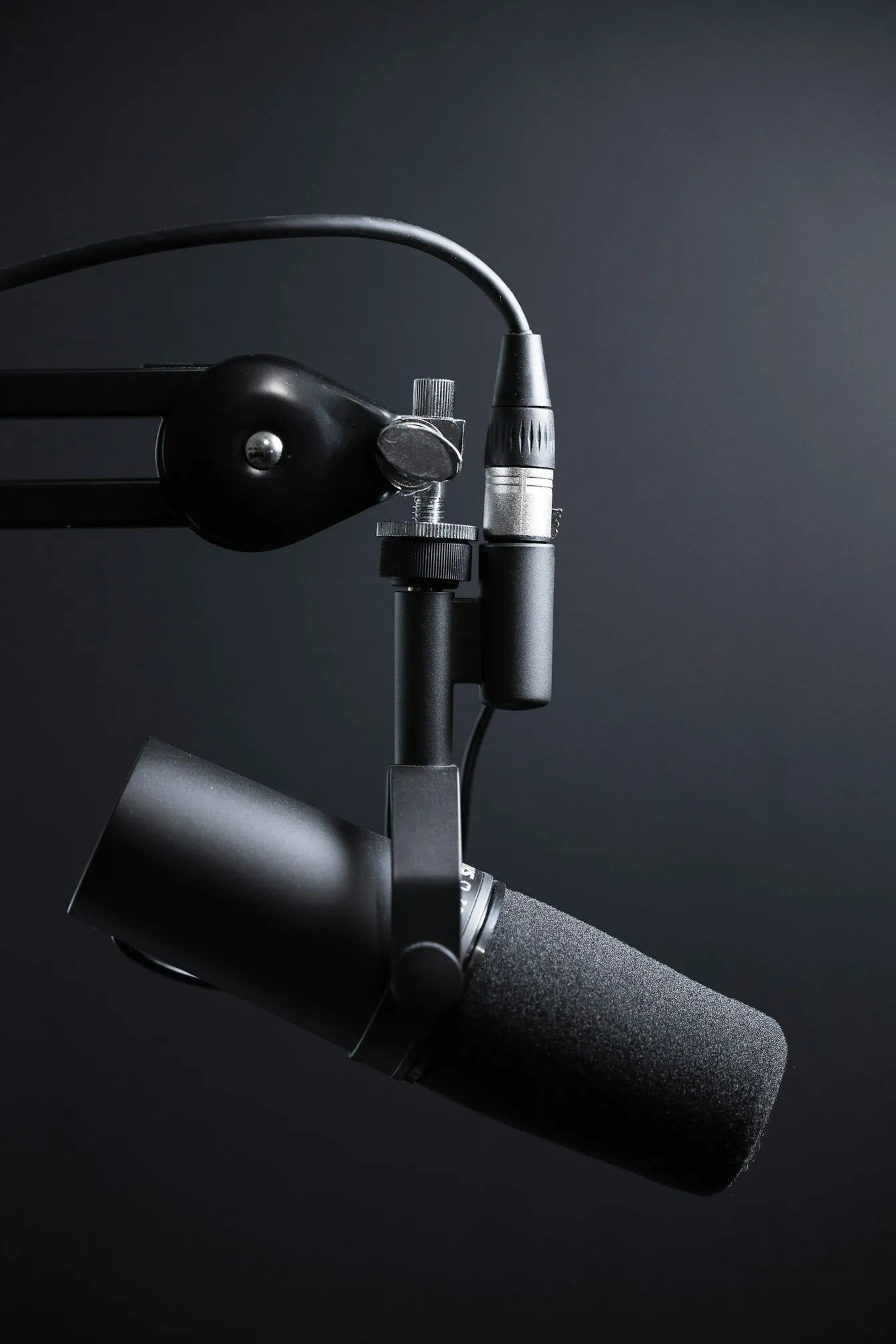
Listeners hear your podcast before they read a word of your description: the first seconds of music tell them whether they have found a serious show, a fun one, or neither.
That first impression is repeatable, and that is the point. A considered sonic identity makes every episode feel like part of one body of work. This guide covers what makes intro music work and how to build a complete audio identity for your show.
Why the intro carries so much weight
Your intro does three jobs every single episode:
- Sets expectation: energy, genre and tone are communicated before the first sentence.
- Builds habit: a consistent opening becomes a ritual that long-time listeners recognise instantly.
- Signals production quality: audiences hear the difference between a jumbled cold open and a show that knows itself.
The risk is equally real: an intro that drags invites the skip button, so respect for the listener's time is part of the craft.
What makes a strong podcast intro
The best show intros share a few practical traits:
- Short: typically somewhere between ten and twenty seconds, enough to land the sound without delaying content.
- Front-loaded hook: the most distinctive musical idea arrives immediately, not after a long build.
- Energy matched to the show: a news podcast and a comedy podcast need different tempos and textures.
- Room for the voice: either it ends cleanly or it beds under a short spoken introduction.
Beyond the intro: a full sonic identity
Think in terms of a kit rather than a single track:
- Intro theme: your signature opening.
- Outro: a calmer variation that scores the closing thanks and calls to action.
- Segment stingers: short accents that mark transitions between sections.
- Underscore beds: subtle music for storytelling passages or ad reads.
All of these can grow from one core composition, which is exactly how a studio approaches custom music production for shows: write the identity once, then derive the kit from it.
The production process for a show theme
Expect a compact version of any music project. You bring the brief: show name, audience, tone, a few example episodes. The studio sketches directions, you choose one, then the theme is produced and the kit is derived from it. Clear audio recording standards matter at this stage too, especially if a voiceover will sit inside the theme. Deliverables should include the full theme, a shorter sting, a loopable bed and mix versions with and without space for narration.
Using your theme well
- Keep volume consistent between the intro and the episode body.
- Do not talk over the opening hook; let the identity breathe.
- Refresh season by season with subtle variation rather than a new theme every few months.
Frequently asked questions
How long should a podcast intro be?
Short enough that regular listeners never feel the urge to skip. Around ten to twenty seconds works for most shows, with the strongest musical idea placed in the first two.
Can I use licensed or stock music for my intro?
You can, but you share that sound with everyone else who licensed it, and licensing terms can complicate monetisation. An original theme is yours across every platform and every season.
Should the theme change between seasons?
Evolve rather than replace. A new arrangement, a fresh mix or an added layer keeps the show current while preserving the recognition you have built.
Launching a show and want an identity listeners recognise from the first note? Tell Sinus Media about your podcast and we will compose the sound of it.
Keep Reading