
 Music Production
Custom Music for Films, Ads and Games: How Production Companies Work
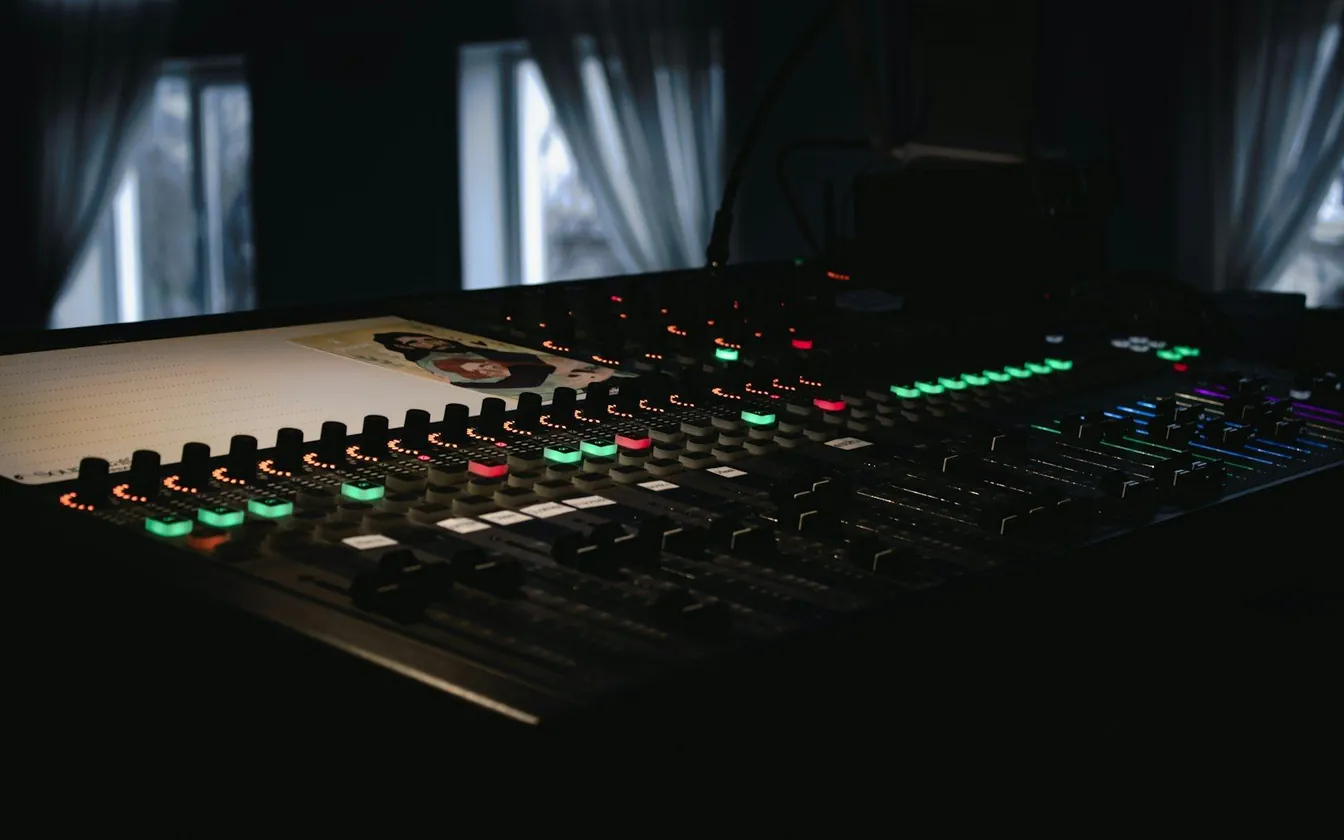
Custom music is composed and produced for one project: a film's emotional beats, a brand's sonic identity, a game's interactive world. Unlike stock music, it fits to picture, carries exclusive usage terms, and becomes an asset the client owns or licenses outright. The workflow runs from creative brief to concept demo to full production to final stems delivered to specification.
Why do brands and filmmakers pay for original music when libraries exist? Because recognition and rights. A sonic signature cannot be shared with a thousand other videos, and clean licensing avoids the takedown notices that stock misuse invites. Here is how professional custom music production actually runs.
The brief: where custom music starts
Everything begins with a document (even a good email thread) that establishes: the project and audience, the emotion to carry, references, timing or picture, delivery deadline, usage rights needed, and technical specs. Vague briefs produce beautiful music for the wrong film — serious production companies invest real time here before quoting.
Concept demos: approval while change is cheap
The composer returns one or more short demos — main theme sketch, alternative mood, tempo feel. The client approves or redirects while revisions cost minutes instead of days. Locking the creative direction at demo stage is the single biggest cost-saver in custom scoring.
Production to picture
With direction approved, the full production begins: orchestration and sound design, programming and live players, vocal sessions where needed. For film work, every cue is written to timecode — hits land on cuts, silence is composed as deliberately as sound. Ads add constraints: versions at 30s, 15s and 10s, plus a final sting.
Licensing and ownership terms
Custom does not automatically mean "client owns everything" — terms vary by budget and use:
- Full buyout — client owns the music outright; typical for brand anthems and campaigns.
- Exclusive license — client gets exclusive use for defined media, territory and duration.
- Production-company retained — composer keeps underlying rights; client gets broad usage. Cheaper, still exclusive in practice.
Whatever the model, it is written into the agreement before production starts. Ask your production company to explain the terms in plain language — we do.
Delivery: what clients actually receive
- Final mixes to spec: loudness for broadcast, OTT or web delivery.
- Stems — strings, rhythm, vocals, FX — so editors can duck and mix around dialogue.
- Alternate lengths and loop variants for games and apps.
- Cue sheets and documentation for rights and payments.
Where custom music earns its cost
A brand that uses the same four-note signature across a year of campaigns becomes audible — literally. A documentary with an original theme owns its emotional identity on every platform forever. A game with reactive loops feels alive where stock loops feel like an elevator. Custom music is not decoration; it is infrastructure for the story.
Frequently asked questions
How long does a custom track take?
Short-format work (ads, stings, podcast themes) typically moves from brief to delivery in one to two weeks. Film and series scores follow cue-by-cue milestone schedules agreed at kickoff.
Can you match a temp track we edited to?
Usually, yes — composers work from temp references constantly. We compose to the same emotion, timing and structure without copying the original composition, keeping your edit intact and your licensing clean.
Sinus Media composes and produces custom music for films, ads, games and brands from Hyderabad, India — delivered to picture, to spec and on deadline. Explore custom music production or send us your brief.
Keep Reading