
 Music Production
Music for Advertising Campaigns: A Practical Guide
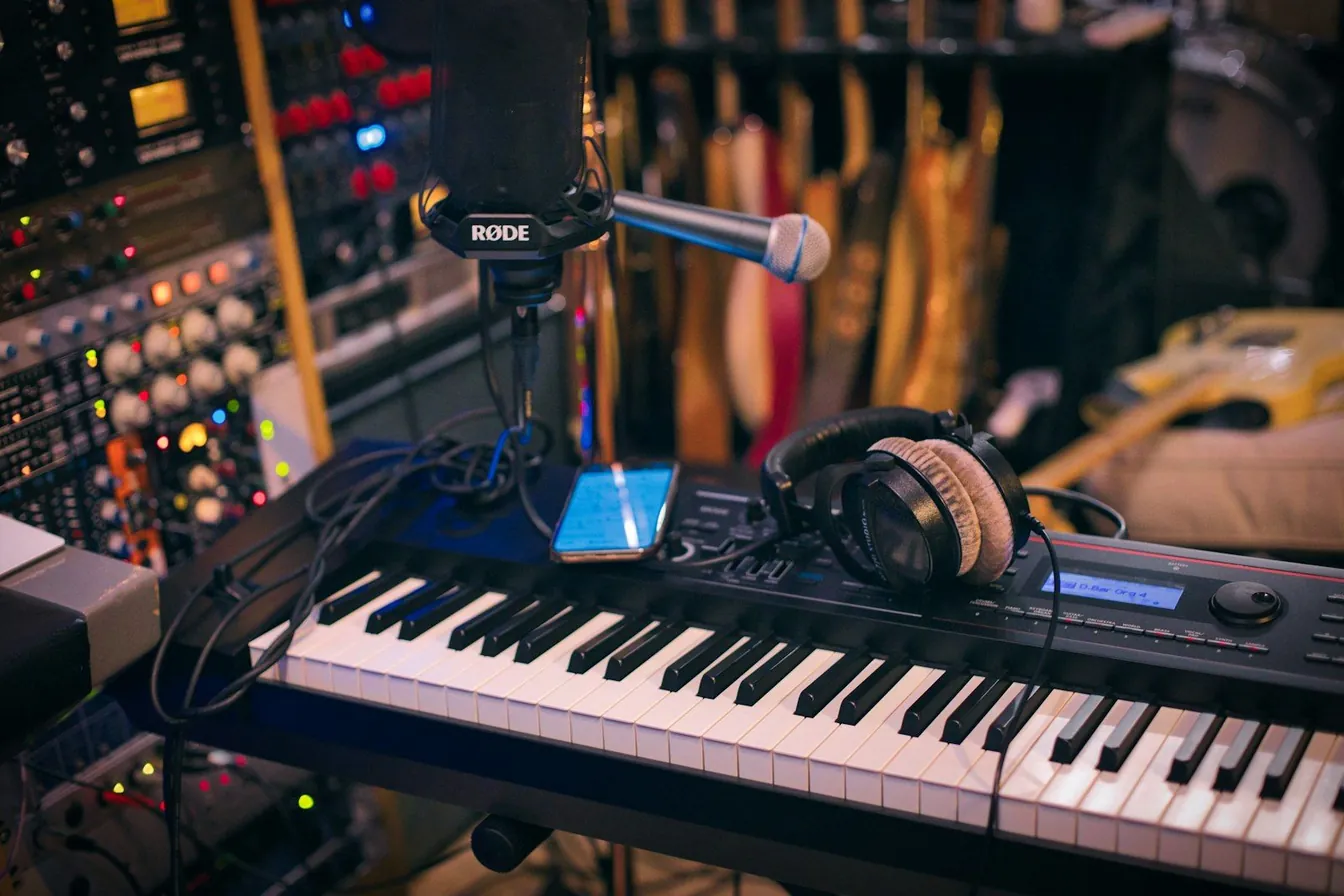
In an advertising campaign, music starts working before the first word lands: it tells the viewer whether to feel excitement, trust, nostalgia or urgency, all within seconds.
That is why music deserves a seat at the planning table rather than a slot at the end of the edit. This guide covers how music functions inside a campaign, how to choose a direction you will not regret, and what production looks like when everything has to hit exact timings.
What music actually does in a campaign
Think of music as doing four jobs at once:
- Setting mood: the emotional frame the visuals and voiceover sit inside.
- Building memory: a melodic hook gives the audience something to recall after the ad ends.
- Signalling brand character: instrumentation and tempo say things about you that copy cannot.
- Controlling pace: rhythm and build shape how quickly the message unfolds.
Choosing the right direction
Before anyone writes a note, answer three questions. Who is the audience, and what should this campaign make them feel? Where will the ad run, since a six-second bumper and a long-form video demand different energy curves? And what should the sound say about the brand, in instruments and production style? Write the answers into the brief, because every later decision traces back to them. When the campaign is the brand's main event, original music built through custom music production keeps the sound exclusively yours.
Original composition versus licensing
Licensing a known track brings instant familiarity but less control, and a rights process that can constrain usage. Original composition costs more attention up front and returns full control of structure, mood and ownership. A practical middle path exists too: commission an original theme and keep it consistent across campaigns, so familiarity accumulates on your own terms. Our guide on custom music for films and ads compares these routes in more detail.
Working to the edit
Advertising music is engineering as much as art. The track must land its key moments on the frame:
- Hit points: accents aligned to logo reveals, product shots or headline cuts.
- Energy curve: tension and release timed to the story arc of the spot.
- Space for voiceover: arrangement that leaves room for the script to be understood.
- Endings: a clean button or sustain that resolves exactly where the video stops.
This is why campaigns are usually produced with the rough cut in hand, and why the studio delivering your music production will ask for it early.
Plan the versions before you produce
One master track is rarely enough. Decide up front which cutdowns and variants you need, because producing them alongside the main track is far easier than retrofitting later:
- Long-form and short-form versions, typically thirty and fifteen seconds.
- A six-second bumper edit with a single clear hook.
- An instrumental mix for voiceover-heavy placements.
- A short sting for social handles and end cards.
Frequently asked questions
How early should music come into the process?
At the storyboard or rough-cut stage at the latest. Early involvement lets the composition hit your timings natively instead of being bent to fit, which is where most of the quality is lost.
Can one track cover an entire campaign?
Yes, if it is planned as a family: a master composition with cutdowns, instrumental mixes and stings derived from the same core. Consistency across placements is exactly what makes a campaign sound unified.
How loud should music be under a voiceover?
Quiet enough that every word survives on a phone speaker, which is the strictest test you have. In practice that means the arrangement leaves frequency space for speech and the mix ducks slightly under narration.
Planning a campaign and want music that hits every frame on purpose? Work with Sinus Media and we will build the sound around your brief.
Keep Reading