
 Music Production
Background Score for Films: A Complete Guide
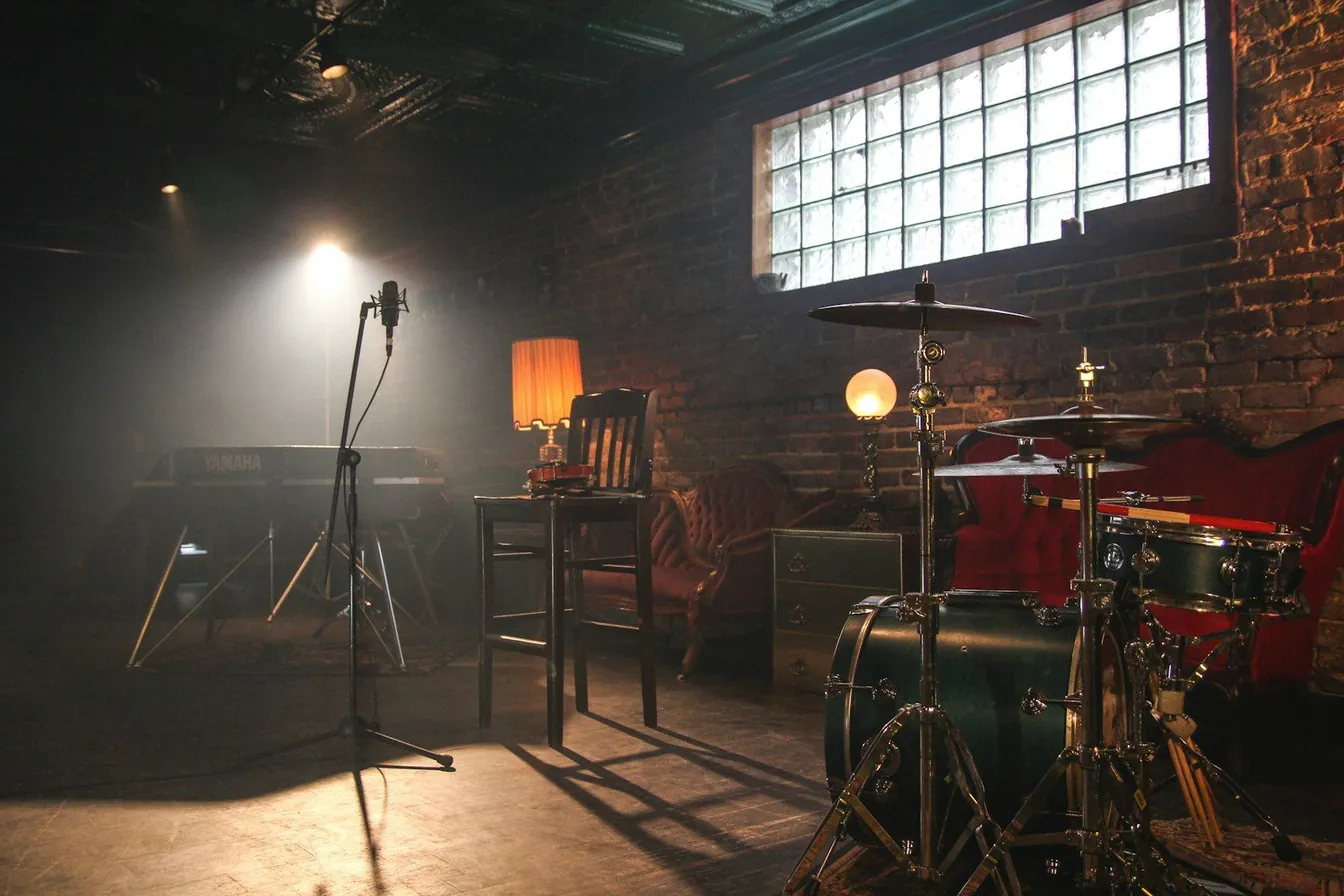
A background score does its best work invisibly: it tells the audience what to feel in the moments where no character says it out loud.
Whether you are making a short film, a feature or a series, understanding how scoring works will make you a better collaborator and protect the film's emotional logic. This guide walks through the craft from spotting to delivery.
What the score does for a film
A score is not decoration. It performs several structural jobs at once:
- Emotional framing: telling the audience how to receive a scene.
- Continuity: bridging cuts in time and place so the story flows.
- Pacing: holding tension through slow passages or driving momentum in chase sequences.
- Subtext: hinting at what a character feels but cannot say.
Spotting: deciding where music lives
Spotting is the session where director and composer watch the cut and decide where music enters, exits and stays silent. Silence is a decision as important as any cue; a film wall-to-wall with music gives the audience nowhere to breathe and removes the contrast that makes each cue land. The output is a cue list: every entrance, exit and its purpose. Agreeing this list early keeps music composition focused on the scenes that need it most.
Themes and motifs
Strong scores are built from small, flexible ideas rather than long set pieces. A character theme of a few bars can carry a whole film when it is treated honestly: introduced simply, fractured in moments of conflict, resolved when the story resolves. Motifs can belong to relationships and places as well as people. Restraint is the discipline here; stating a theme at full strength too early leaves it nowhere to grow.
Scoring around dialogue and sound design
Film music shares the soundtrack with dialogue and effects, so arrangement choices are made for coexistence:
- Leave frequency space for speech in dialogue-heavy passages.
- Keep dynamics responsive; the score should duck emotionally, not just in level.
- Coordinate with the sound team so a score swell does not fight a key effect.
This is a core skill in music arrangement for media, and it separates experienced media composers from beginners who write great standalone music that cannot survive a mix.
Production and delivery
Modern scoring blends sampled orchestras and synthesizers with live instruments where the budget allows, and the craft lies in making the blend convincing. Deliverables are planned early, because editors need flexibility:
- Final mixes for each cue, conformed to the locked cut.
- Stems, so dialogue and effects can sit properly in the final dub.
- Alt mixes and lengths for trailers, promos and credit sequences.
Our walkthrough of the music production process stages gives a fuller picture of how a project moves from idea to these deliverables.
Frequently asked questions
When should the composer join the project?
Ideally before the shoot ends, so themes develop alongside the edit instead of against it. Late involvement can work for smaller projects, but expect tighter compromises on spotting and revisions.
How much music does a film need?
There is no fixed proportion; it depends on genre and storytelling. Dialogue-driven dramas may carry less score than action or fantasy. Let the spotting session decide, scene by scene, rather than aiming at a coverage target.
What are stems and why do editors ask for them?
Stems are grouped sub-mixes, such as strings, percussion and synths delivered separately. They give the dubbing stage freedom to balance the score against dialogue and effects without asking the composer to re-mix from scratch.
Making a film that needs a score with real emotional architecture? Start a conversation with Sinus Media at the script stage and we will help you plan the music.
Keep Reading