
 Music Production
Why Use a Pop Filter? Vocal Clarity Explained
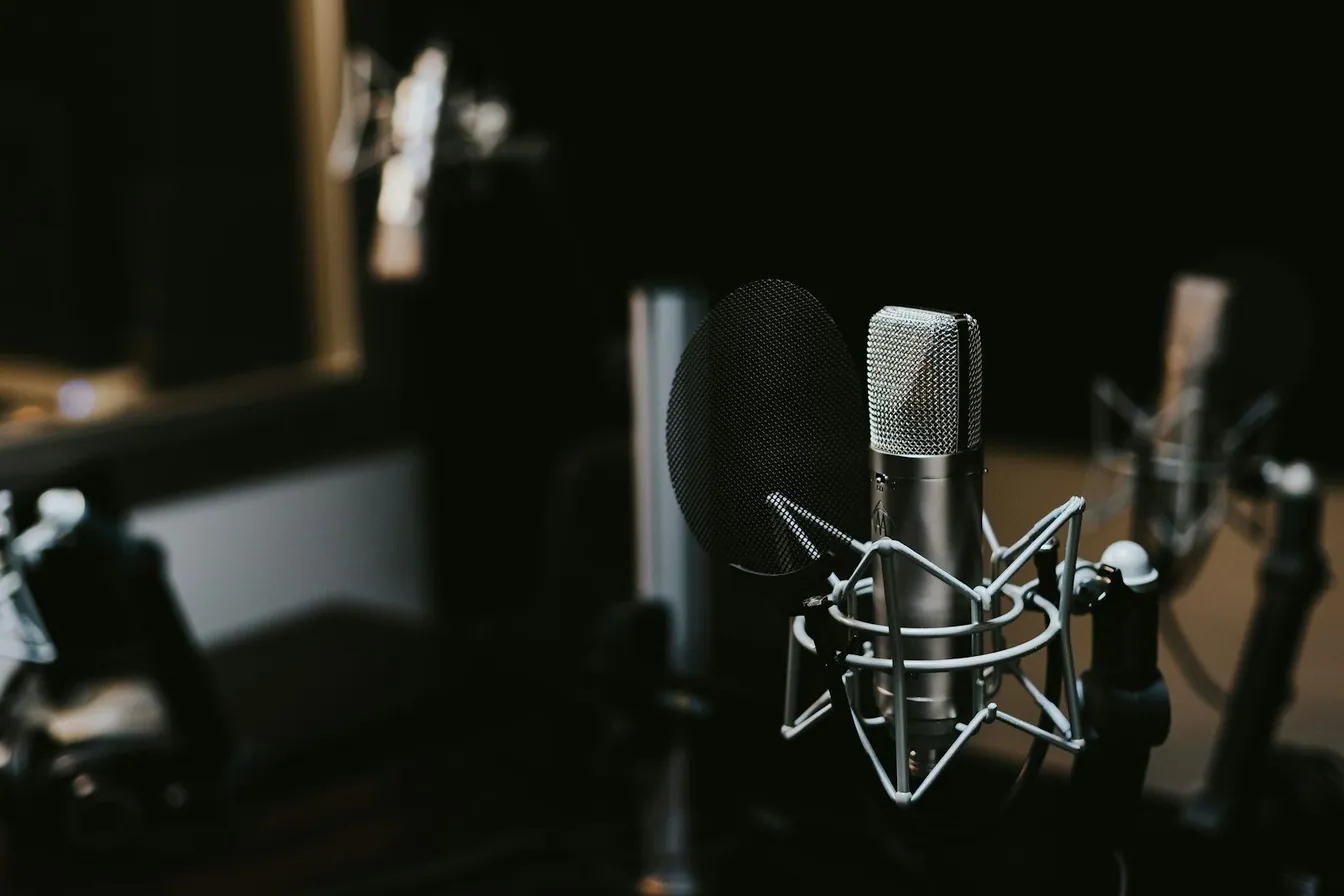
A pop filter is the least glamorous object in the studio and one of the most important. Those low-frequency blasts on P and B sounds can ruin an otherwise perfect vocal take.
Plosives happen when a singer or speaker pronounces consonants such as P and B with a burst of air that slams the microphone diaphragm. The recording answers with a low-frequency thump that overwhelms the vocal for a moment and resists every polite plugin fix. A pop filter intercepts that air before it reaches the capsule, and costs less than any other upgrade in the vocal chain.
What plosives actually do to a recording
A plosive overload sends a burst of energy concentrated in the low end straight into the capsule, momentarily driving it far beyond its normal travel. On playback you hear a boomy wallop, sometimes followed by a brief distortion tail. High-pass filters can reduce the thump but cannot restore the vocal information buried under it, and heavy surgical editing across a whole performance steals hours. Prevention is genuinely cheaper than the cure.
How a pop filter works and where it goes
A pop filter is a screen, usually fabric or metal mesh in a hoop on a gooseneck, that breaks up and spreads the directed puff of air while letting sound pass largely unchanged. Placement is the whole art: the filter sits a few centimetres from the microphone, with the singer another similar distance behind it. That gap does double duty, because backing the singer off the microphone also reduces proximity bass buildup and gives the diaphragm a fighting chance against consonants.
Distance and angle habits that prevent plosives
- Keep the filter just off the grille, close enough to block the jet of air but not touching the microphone.
- Angle the microphone slightly off-axis from the mouth, so blasts pass across the capsule rather than directly into it.
- Position the singer's mouth above or beside the direct line to the capsule when a take keeps popping on the same word.
- Ask for technique: singers can soften P and B sounds with air control once they hear the problem on playback.
When you can relax the rules
Dynamics designed for close vocal use handle plosives better than sensitive condensers because of internal mesh and foam protection, so live-style vocal chains sometimes skip the external filter. Off-axis placement, a singer with disciplined air control, or an impromptu windscreen can also reduce the need. But when tracking a lead vocal on a condenser, the professional default is simple: filter on, every time. Our vocal production service treats that habit as non-negotiable for lead takes, and the wider craft is covered in our vocal production techniques guide.
Hygiene and maintenance
Filters collect breath moisture and need occasional cleaning with mild soap and water, dried fully before reuse. Metal mesh wipes clean fastest; fabric layers eventually fatigue and are cheap to replace. Check that the gooseneck still holds position firmly, because a drooping filter that touches the grille transmits every bump straight into the recording.
Frequently asked questions
Does a pop filter change the sound of my voice?
A good filter is acoustically transparent at vocal distances; any effect is far smaller than the damage from a single unfiltered plosive. Keep it slightly back from the grille and the tone stays honest.
Can I improvise a filter at home?
The classic improvisation, a thin fabric stretched over an embroidery hoop, works surprisingly well and has saved countless home sessions. It rarely positions as stably as a purpose-built filter, so treat it as a stopgap until a proper one arrives.
How far should the pop filter sit from the microphone?
A few centimetres from the grille, with the singer roughly a similar distance behind it. Adjust from there: more distance between mouth and capsule tames bass buildup, while too much distance loses intimacy and invites room sound.
Chasing a lead vocal that needs no apology? Record with Sinus Media and track in a booth where every detail, filters included, is handled before you sing a note.
Keep Reading