
 Music Production
Microphone Placement Basics Every Musician Should Know
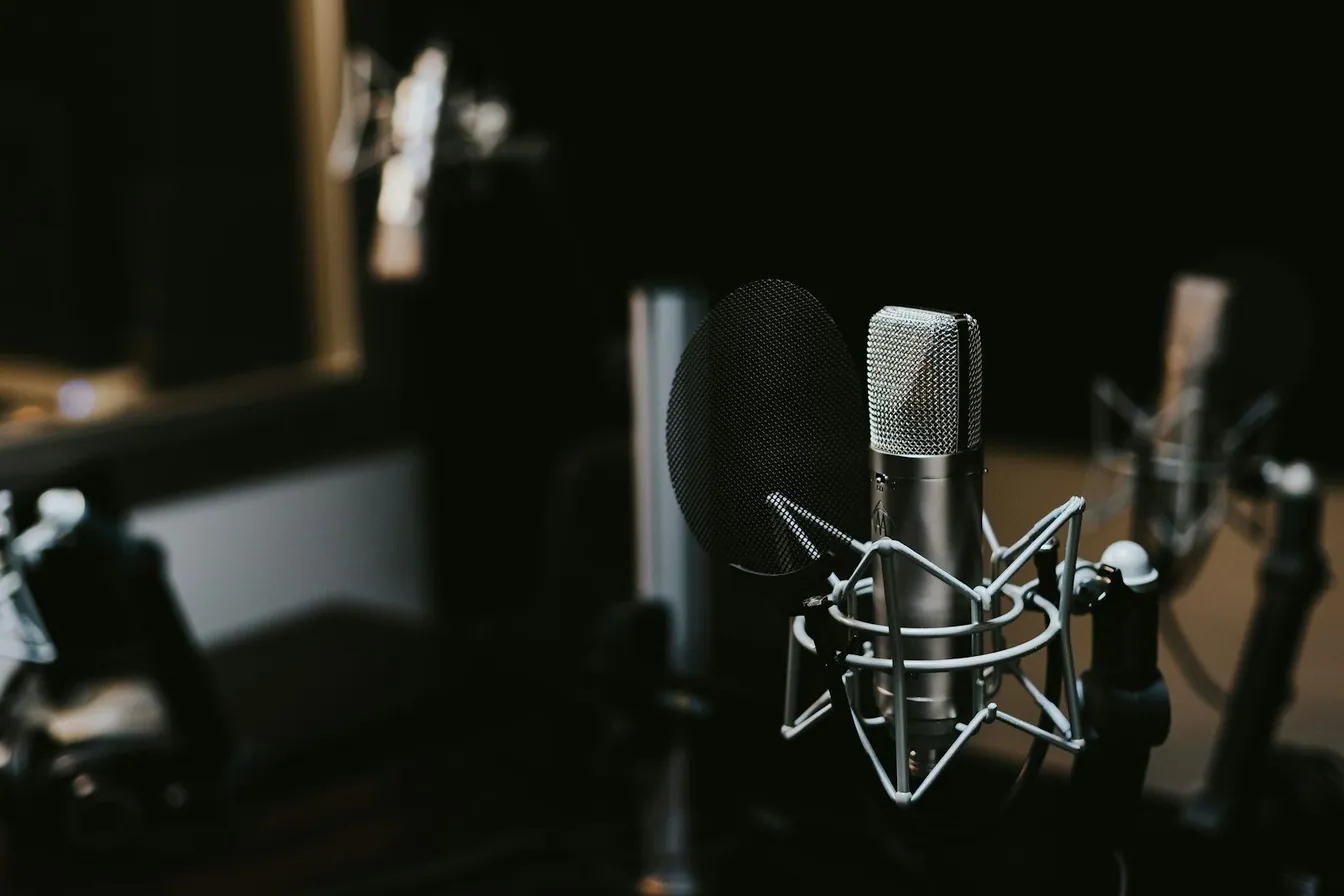
Microphone placement is the last free upgrade in recording: no purchase required, just an understanding of distance, angle and height, and the patience to listen.
Two identical microphones on the same source can produce recordings that barely resemble each other. Placement shifts tone, detail, room character and bleed, often more dramatically than swapping microphones altogether. Learn the three variables below and you will diagnose almost any recording problem by moving rather than buying.
The three variables: distance, angle, height
Distance controls the balance between the direct sound of the source and the room around it: closer means drier, more intimate and more bass-heavy through the proximity effect; farther means more room, more natural blend and less low-end buildup. Angle controls which frequencies and surfaces the capsule faces, since most microphones are most sensitive on-axis and colour the sound increasingly off-axis. Height changes what the microphone hears relative to reflections from the floor and nearby surfaces. Every placement decision is some combination of these three.
Close miking versus room miking
Close miking, a few centimetres from the source, delivers control: low bleed, strong level and a sound that sits forward in a mix, at the cost of an exaggerated, sometimes honky character. Room miking, a metre or more away, delivers realism and space but demands a good room and quiet conditions. Most professional records mix the two, a close microphone for control and a distant one for life, blended to taste. In untreated home rooms, err close, and fake the space with reverb later where the mix wants it.
On-axis, off-axis and the sound you point at
The on-axis line into the centre of the capsule gives the flattest, most honest response. Angling the microphone away softens harshness: that is why engineers tilt vocal microphones slightly toward the nose or forehead, and aim guitar microphones between the soundhole and the neck rather than straight into the hole. Off-axis placement also naturally tames plosives. When a source sounds shrill up close, rotating the microphone a few degrees is often the entire fix.
Finding the spot by ear, not by rule
- Listen to the source first: walk around it while it plays and find where it sounds best; that position is a strong starting point.
- Move in small steps: a few centimetres at a time, recording short tests and comparing honestly.
- Change one variable at a time: distance, then angle, then height, so you learn what each does.
- Check quickly on headphones at the position, but confirm on monitors before committing to takes.
Mistakes that placement easily fixes
Boomy acoustic guitar usually means the microphone sits over the soundhole; slide it toward the twelfth fret. Honky vocals often mean the capsule points straight into the blast zone; back the singer off and angle the microphone slightly. Mud on a drum kit frequently lives in overheads set too low, hearing too much tom and too little balance. Before replacing any microphone, spend twenty minutes repositioning: our audio recording service does exactly this dance every session, and this vocal technique guide shows how placement choices feed a whole vocal chain.
Frequently asked questions
How far should the microphone be from the source?
Start close for control in untreated rooms, roughly a hand's width for vocals and guitar, then adjust by ear. The right distance balances intimacy against room sound, and it differs for every room and every song.
Does microphone distance really change the low end?
Yes, through the proximity effect: directional microphones add bass as they move closer to a source. Backing off a boomy vocal or guitar is often faster and more natural than filtering afterwards.
Can I move the microphone during a recording?
Not during a take; even small movements are clearly audible and ruin edit points. Decide placement between takes, and if the sound must evolve, record separate passes at each position and edit deliberately.
Ready to hear what the right two centimetres can do? Book a session with Sinus Media and let placement do the work plugins cannot.
Keep Reading