
 Music Production
Studio Monitors vs Headphones for Mixing: What Works
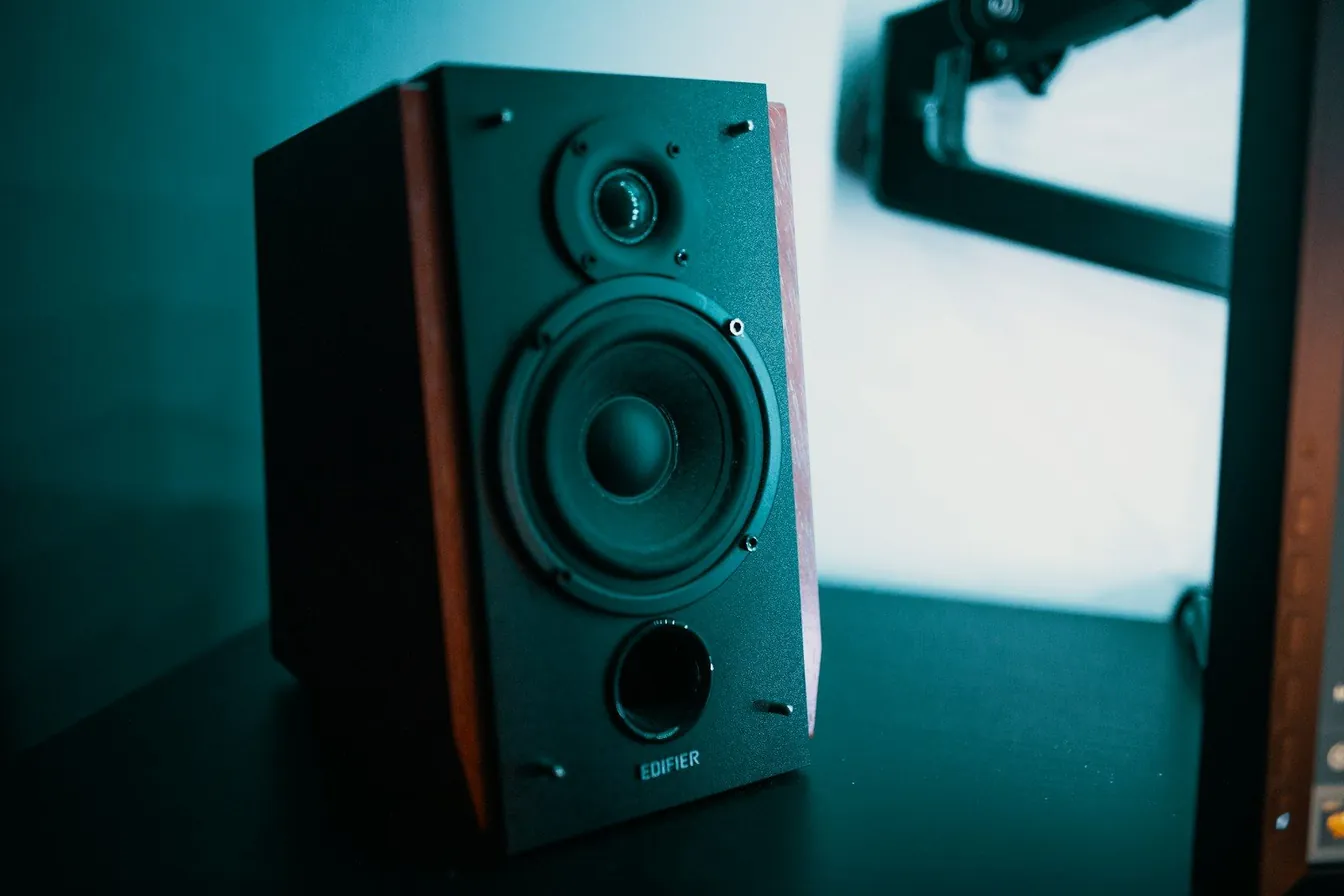
Monitors or headphones? Engineers argue about it endlessly, yet the honest answer is that each tool solves a different problem, and the strongest mixes come from knowing when to trust which.
Studio monitors and headphones both let you hear your mix, but they deliver sound to your ears in fundamentally different ways. Monitors interact with your room; headphones bypass it entirely. Understanding that single difference explains nearly every strength and weakness each tool has, and tells you how to combine them into a workflow that works in almost any space.
How monitors and headphones differ physically
Loudspeakers move air across a room. Reflections from walls, desk and ceiling combine with the direct sound, so what you hear is always a blend of the speakers and the space. Headphones deliver each channel directly to an ear with no room in between, which removes the acoustics but also removes the natural crosstalk and depth cues you get when two ears listen to two speakers in a room.
Where studio monitors win
- Stereo image and depth: speakers create a real soundstage between them, so panning decisions and reverb levels read more naturally.
- Low-end behaviour: a decent monitor pair plus a room you know tells you more about how bass will translate to other systems.
- Long sessions: moderate listening volumes from speakers are generally less fatiguing than clamped earcups.
- Client conversations: everyone in the room hears the same thing at the same time.
Where headphones win
- Brutal honesty about detail: clicks, pops, breaths, edit points and noise hide far less well on good headphones.
- Rooms without treatment: headphones ignore the reflections that lie to you in an untreated bedroom.
- Late-night and mobile work: silent tracking and editing keep neighbours and family happy.
- Checking translations: most listeners use earbuds or headphones, so hearing your mix in that format is part of the job.
The hybrid workflow professionals actually use
Balance broad moves on monitors with detailed checks on headphones. Set levels, panning and overall tone on speakers at a comfortable volume, then switch to headphones for automation rides, de-essing, delay throws and quiet details. Compare both against a couple of reference mixes you know deeply. If your room is untreated, spend more decision time on headphones and treat the speakers as a reality check. Our mixing and mastering service works exactly this way, cross-checking every decision on both systems.
Building your monitoring setup sensibly
If you can buy only one tool first, buy honest closed-back or open-back headphones and learn them. Add monitors when you can place them symmetrically in a room you can soften with basic treatment. Whichever you own, calibrate your habits: mix at consistent volumes, take breaks to reset your ears, and keep a short list of familiar songs as your translation test. Curious how the final stage differs from mixing? Read our explainer on the difference between mixing and mastering.
Frequently asked questions
Can I mix entirely on headphones?
Yes, and many engineers release professional work mixed primarily on headphones, especially in rooms that cannot be treated. Learn one specific pair deeply, check on consumer earbuds and car speakers, and be extra careful with low end, which headphones can flatter.
Open-back or closed-back headphones for mixing?
Open-back designs usually give a wider, more natural image and are preferable for mixing when your room is quiet. Closed-back models isolate better and suit tracking, editing in noisy homes and late-night sessions. Many engineers keep one of each.
How loud should I mix on monitors?
Quiet enough to hold a conversation over. Low and moderate volumes protect your ears, keep your perception balanced for longer and reveal problems honestly. Save louder checks for short, occasional verification passes.
Want a second pair of trained ears on your mix? Book a session with Sinus Media and hear your music judged on properly calibrated monitors and headphones.
Keep Reading