
 Music Production
Panning Guide for Stereo Image: Place Every Sound Right
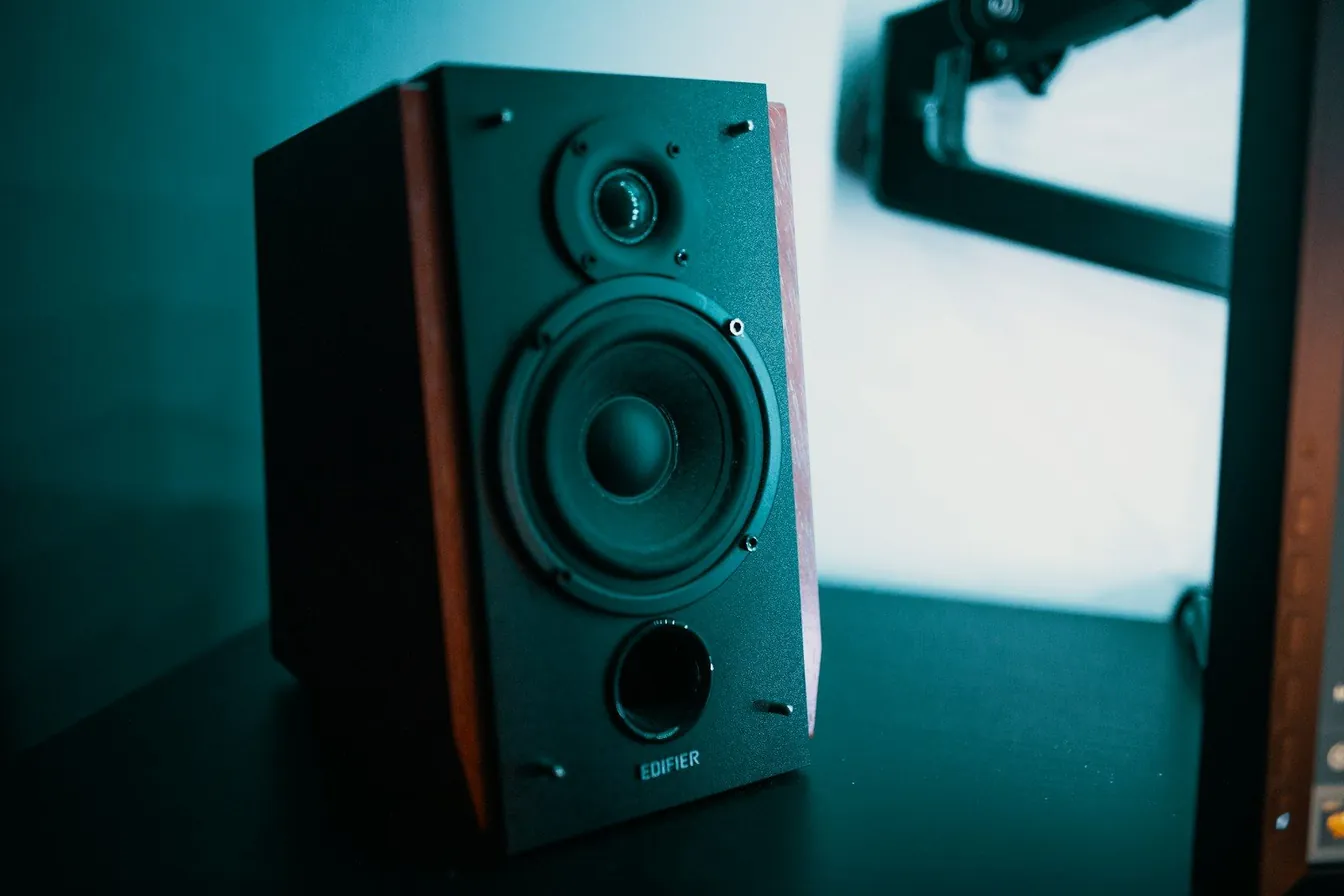
A good stereo image gives every sound a place, so the listener can find each part instantly. This panning guide for stereo image covers placement strategy from center anchors to wide guitars and arrangement-aware width.
Think of the stereo field as a stage. Some players stand center, others spread to the sides. When placement follows the arrangement, the mix opens up without a single EQ move; when placement is random, even a carefully EQ'd mix feels cluttered.
Keep the foundation centered
Kick, snare, bass and lead vocal belong in the center. These elements anchor the track, translate to every playback system and keep the groove solid. Mono-compatible low end is essential: sub bass that drifts to one side disappears on club systems and collapses oddly on phone speakers. Center is not boring; it is the frame the width hangs on.
Spread supporting instruments with intent
Pan doubled guitars hard left and right for size, or place rhythm guitars at moderate opposite positions. Keys, pads and arpeggios can sit wide, while a single lead line stays closer to center. Mirror your placement: for every element sitting left of center, find a partner on the right so the image does not lean. Slight panning of overheads and room mics can match the drum kit's physical layout.
Pan to serve the arrangement
Question-and-answer phrases gain drama when the answers sit on the opposite side. Backing vocals spread wide make the lead feel confident and centered. Percussion layers come alive when each shaker, conga or hat occupies its own lane. Ask what role each part plays, then place supporting parts away from the elements they support. Placement is arrangement heard in stereo; our music arrangement service plans those roles long before mixing starts.
Check mono and small speakers constantly
Width that vanishes in mono signals phase problems or overdone stereo effects. Fold your mix down regularly and make sure nothing important disappears. Also test on a single phone speaker, which sums everything to mono anyway: if the hook survives, your image is healthy. Fixes here pay off across every system, because mono compatibility is the common denominator of all playback.
Frequently asked questions
Should I pan with mixer knobs or a widener plugin?
Channel panning is clean and predictable. Stereo widener plugins can add scale, but they risk phase issues in mono. Start with plain panning and arrangement tricks; add wideners only for specific elements that need extra spread.
How wide is too wide?
If elements only sound good fully hard-panned and fall apart when summed, you have gone too far. Healthy width keeps a strong center image with sides that add air, not distraction.
Does panning replace EQ for separation?
No, but it complements it. Two similar sounds can share frequencies if they live on opposite sides. Combine placement, EQ carving and level balance; no single tool separates a crowded mix on its own.
Want a mix with width that translates everywhere? Start a project with us or explore our mixing and mastering service and give your song a real sense of space.
Keep Reading