
 Music Production
Bus Processing and Glue Compression for Cohesive Mixes
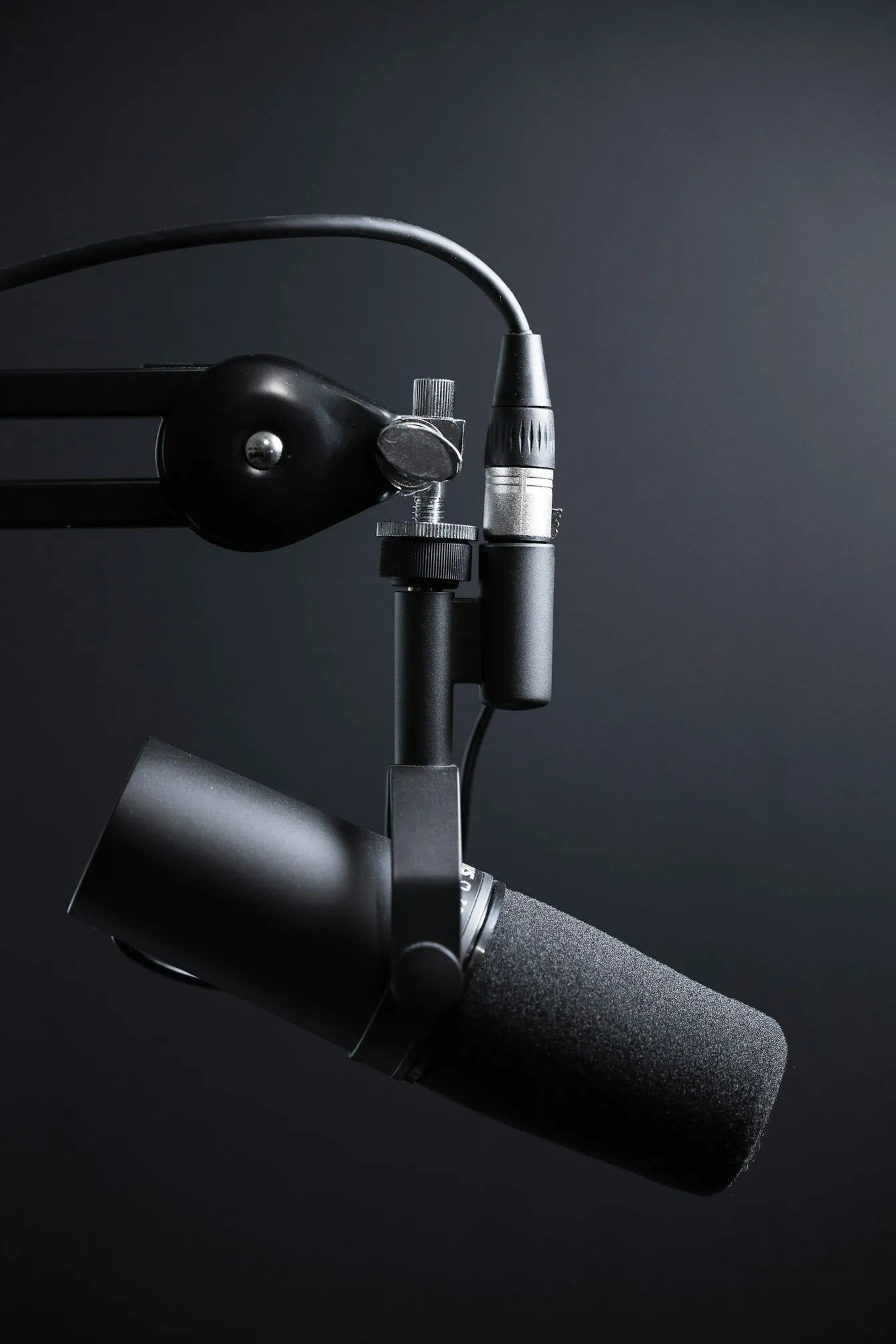
Bus processing and glue compression turn a collection of tracks into a single record. Gentle processing on groups and the mix bus adds cohesion, punch and sheen that per-channel moves cannot achieve.
When every track is processed alone, a mix can sound like separate performances stacked together. Processing shared signals, whether a drum bus, a vocal bus or the master bus, applies one fingerprint across many elements at once. That shared character is what engineers mean by glue.
Start with group buses
Route your session into logical groups: drums, bass, instruments, vocals. Group buses give you one place to shape each family. A light bus compressor on drums adds sustain and unity; gentle EQ on the instrument bus carves the whole band's tone at once; a de-esser on the vocal bus disciplines doubles and harmonies together. Changes become faster and more consistent.
Glue compression settings that work
Glue means a slow attack so transients pass, a release timed to the groove, a low ratio around 2:1, and only a dB or two of gain reduction. You should barely hear the compressor working; you hear the result as togetherness. If pumping appears, ease the threshold or slow the release. Parallel compression on drums or the whole mix adds weight while keeping the original dynamics intact.
Bus EQ and saturation
A gentle high shelf on a drum bus adds air across the kit in one move; a low-mid trim on the instrument bus cleans the band without touching the vocal. Subtle harmonic saturation on buses thickens groups the same way. One decision replacing ten is the whole advantage: fewer contradictions between channels, faster revisions, more musical results.
The mix bus: light touch only
On the master bus, less is more. A gentle glue compressor, a transparent EQ correction, maybe a limiter catching stray peaks with headroom left for mastering. If you find yourself compressing the mix bus hard to make it loud, stop: that is mastering's territory, and heavy mix bus processing forecloses the mastering engineer's options. See how the stages divide their work in our mixing versus mastering guide.
Keep the chain simple and musical
Bus processing rewards restraint. Add one processor at a time, bypass it often, and keep the goal in mind: cohesion that serves the song, not an effect you can point at. When a record feels expensive, the reason is usually invisible: well-chosen bus moves. Our music production service applies this thinking from arrangement to final bounce.
Frequently asked questions
What is the difference between bus compression and mastering compression?
Bus compression shapes groups inside the mix and can be more audible by design; mastering compression is the final, most conservative pass on the finished stereo file. Heavy moves belong earlier, where context exists.
Should I glue every group?
No. Glue where elements belong together: drums, backing vocals, string sections. Solo instruments and the bass often need none. Listen for separation problems before adding a bus compressor.
Do I need a specific analog-modeled compressor for glue?
Character helps but is not required. Any clean compressor with slow attack, musical release and a gentle ratio can glue. Learn one deeply before hunting for magic boxes.
Want your tracks to feel like one record instead of ten files? Start a project with us or explore our mixing and mastering service and hear what glue does for your music.
Keep Reading