
 Music Production
Mixing Tips for Better Mixes: Habits of Working Engineers
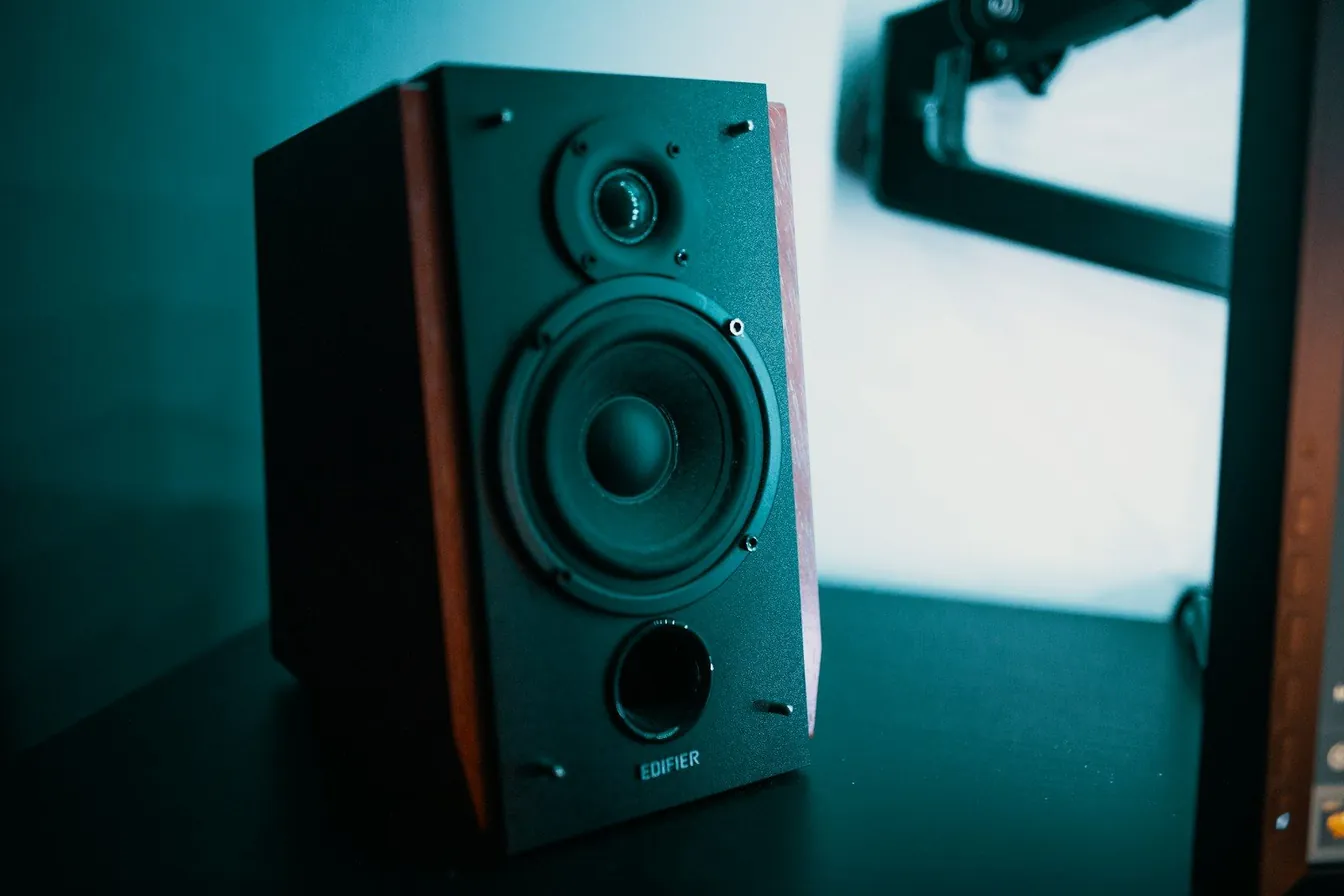
Great mixes come from repeatable habits, not lucky plugin settings. These mixing tips for better mixes cover the fundamentals working engineers rely on in every session, from the first fader move to the final bounce.
Plugins do not mix songs; decisions do. What separates a professional mix from a rough demo is knowing what each move is supposed to achieve before you make it. Work through the tips below in order on your next project and you will finish faster, revise less, and hand over mixes that hold up outside the studio.
Start with a static balance
Before any processing, set rough fader levels for every track and play the song from the top. Pull the lead vocal, kick and snare into focus first, then bring everything else up around them. If the static balance already sounds musical, you are most of the way there, because every later move becomes refinement instead of rescue.
- Anchor first - vocal, kick and snare define the mix; build around them.
- Start in mono - a balance that works in mono will only open up in stereo.
Cut before you boost
Crowded mixes usually fail because too many instruments fight for the same frequencies. Use subtractive EQ to remove what each part does not need: roll the low end off guitars, keys and pads, and thin out sounds that only add mud in the low mids. Two or three focused cuts do more for clarity than any wide boost ever will, and they leave headroom for the elements that matter.
Compress with intent, not by default
A compressor should solve a problem. If a vocal jumps in and out of the mix, even it out with a few dB of gain reduction. If the bass disappears on quiet notes, control it. Ask what you want the compressor to stop doing, set the threshold until you hear exactly that, then stop. Heavy compression is a stylistic choice; silent compression on everything is just a way to lose dynamics.
Mix quiet and take real breaks
Loud monitoring flatters the low end and masks small balance errors. Mix at a conversational level most of the time and check loud only occasionally. Your ears also fatigue quickly in the high mids, so take a short break roughly every hour. When you come back, the first ten seconds of listening tell you more about the mix than the previous hour did.
Check the mix outside your studio
Before you call a mix finished, audition it on earbuds, a phone speaker, a car system and a laptop. Note one or two problems on each system, return to the studio, fix them, and check again. This loop, repeated a few times, is the cheapest mixing education available. When the mix survives every system you own, it is ready for professional mixing and mastering or for mastering on its own.
Frequently asked questions
How long should a mix take?
There is no fixed rule, but many engineers aim to reach a solid balance in the first session and spend later sessions on automation and fine tuning. If you are still making big level changes on day three, step back to the static balance stage.
Do I need expensive plugins to mix well?
No. Stock EQs and compressors are more transparent than most beginners' judgment. Spend time on balance, arrangement and listening; upgrade tools only when a specific limitation is clearly holding you back.
Should I mix my own songs?
You can, but fresh ears catch what familiarity hides. Many artists write and produce, then hand the session to a mix engineer for objectivity. Our music production service covers that handoff so the song gets an outside perspective before release.
Want an experienced pair of ears on your next single? Start a project with us or explore our mixing and mastering service to hear these fundamentals applied to your music.
Keep Reading