
 Music Production
How to Make Your Mix Translate on All Speakers
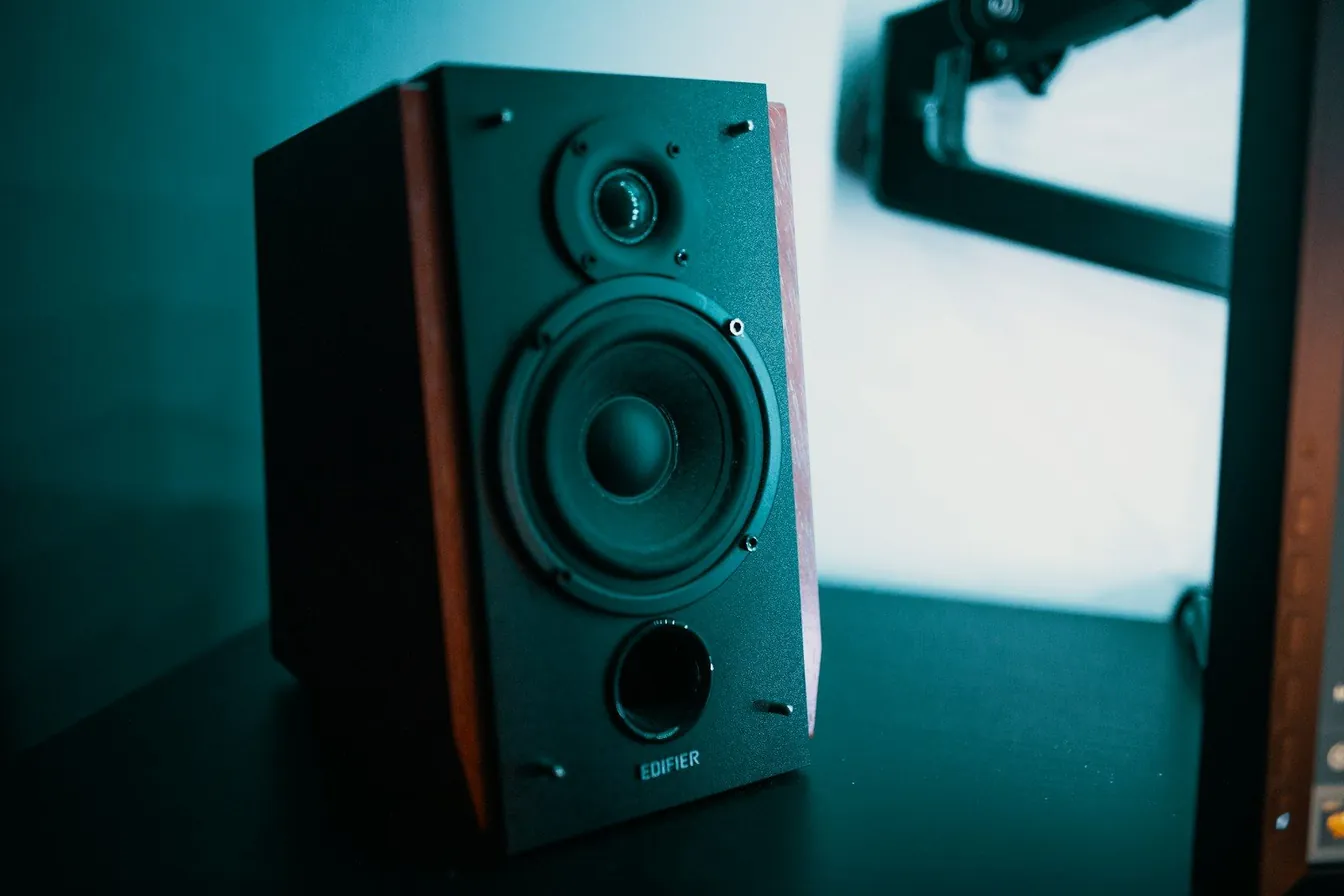
A mix that only sounds good in your studio is not finished. Here is how to make your mix translate on all speakers, from car systems and earbuds to club rigs, by testing smart and fixing the real culprits.
Translation problems almost always trace back to a few causes: excess low end, buried vocals, mono-incompatible width and over-compression. Fix those and the same mix sounds right almost everywhere. The skill is not owning more gear; it is testing deliberately and responding to what you hear.
Control the low end first
Small speakers cannot reproduce deep bass, so listeners only hear its side effects: muddiness, wasted energy and buried vocals. Check your low end on systems that reveal it and systems that do not. If kick and bass feel huge on headphones but thin on a phone speaker, the midrange of those elements, not the sub, needs work. A tight low end is the foundation of translation.
Keep the vocal audible everywhere
Listeners sing along on earbuds and in cars, so the vocal must cut through on tiny drivers. If lyrics disappear on a phone speaker, lift the vocal's presence in the midrange rather than simply raising its volume. Also check backing vocals and pads, which often sit close to the lead in frequency and push it around. Our vocal production service addresses intelligibility from recording onward, which is half the translation battle.
Test in mono and on one speaker
Fold the mix to mono: if elements vanish, you have phase problems from wide effects or doubled tracks. Then audition through a single small speaker, which sums everything and exposes balance errors instantly. Many engineers keep one modest single-cabinet monitor on the desk precisely for this check. Fixes here pay off across every system, because mono is the common denominator.
Build a small, trusted test set
Three or four familiar playback systems beat a dozen random ones. A typical set: your main monitors, ordinary earbuds, a phone speaker and a car. Learn what well-mixed records sound like on each of them and hold your mix to the same standard. Volume-match your tests so loudness does not fool you.
Rest, then re-check before delivery
Ears normalize quickly. Sleep on near-final mixes, then audition them once, fresh, on all test systems and write down your first impressions. Fix the two or three issues that repeat across systems and leave the rest. Chasing perfection on every device leads to endless tweaks; consistent sufficiency is the professional target.
Frequently asked questions
Do I need expensive monitors for a translating mix?
Accurate monitors help, but translation comes from testing habits, not price tags. Well-chosen checks on modest systems catch more problems than careless listening on expensive ones.
Why does my mix sound better in the car than at home?
Cars boost low frequencies and sit in a small space, which can flatter a thin mix while hiding detail. Trust the systems that reveal problems, not only the ones that flatter them.
When should I stop adjusting?
When the same mix sounds complete on all your test systems and no single system demands a big change. The last stage is confirming consistency, which is also where professional mixing and mastering adds an objective final pass.
Want a mix you can trust on every speaker your fans own? Start a project with us or explore our mixing and mastering service before you release.
Keep Reading