
 Music Production
DIY Mastering vs Professional Mastering: An Honest Guide
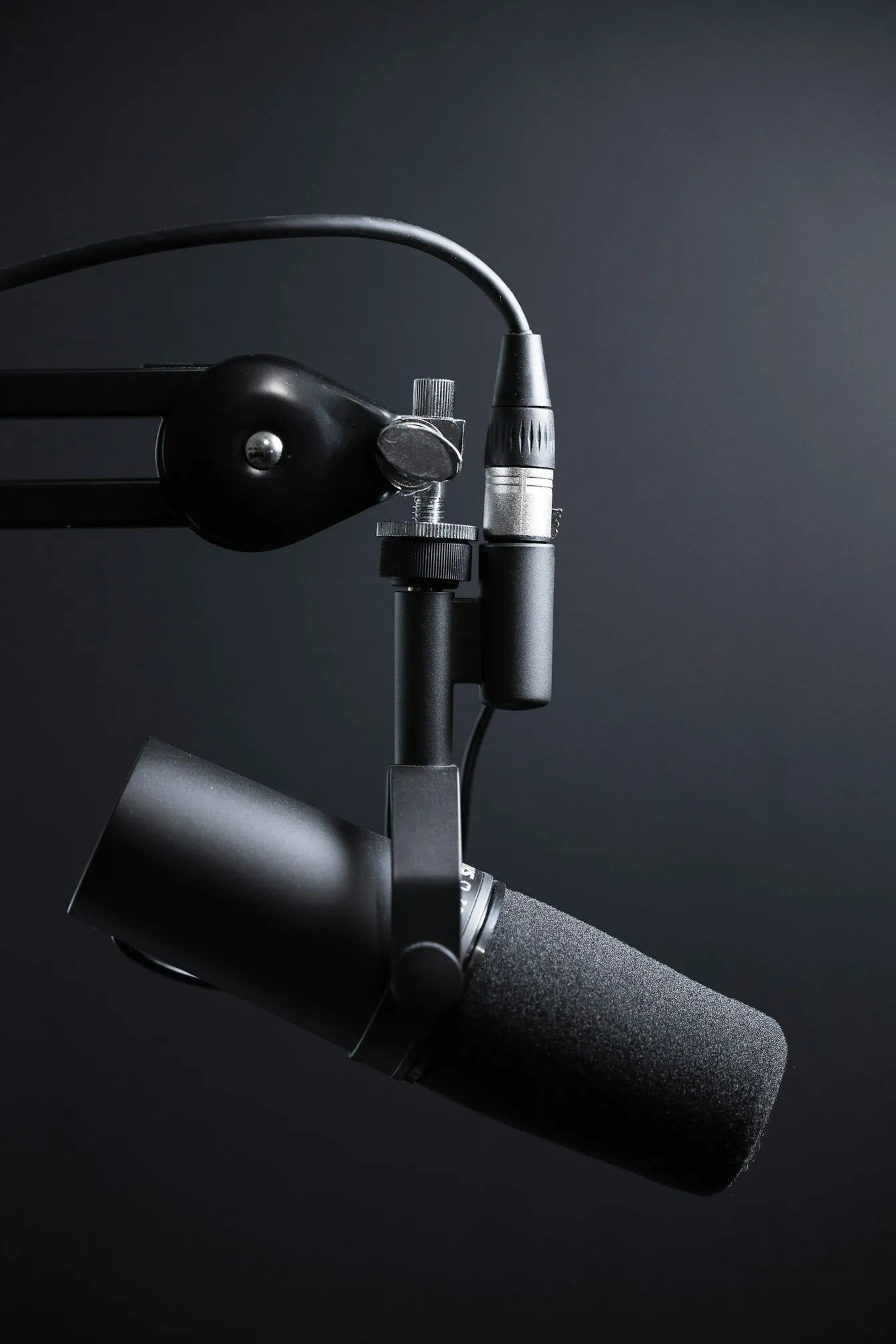
DIY mastering vs professional mastering is a decision every independent artist faces before release. Here is an honest comparison: what you can achieve at home, what trained ears and treated rooms add, and how to choose for each release.
Mastering is the last creative and technical pass before distribution: final EQ and dynamics, sequencing, consistent loudness and files ready for every platform. The tools are available to everyone now, so the real question is not capability but perspective.
What DIY mastering does well
Home mastering works best when the mix is already strong and the release is simple: a demo, a beat tape, a back-catalog track that needs a refresh. With a limiter, a transparent EQ and loudness metering, you can deliver respectable results. It costs nothing beyond time, teaches you a lot about your own mixes, and gives you full control whenever inspiration strikes.
Where DIY hits a wall
Your ears spent weeks inside the mix, and familiarity is the enemy of objectivity. No plugin removes it. Untreated rooms flatter certain frequencies, and every judgment you make passes through both filters. A professional engineer hears your record for the first time, in a calibrated room, with years of pattern recognition for exactly this stage. That fresh perspective is the product, as much as any gear.
The practical differences
- Objectivity - a second set of trained ears catches problems you have normalized.
- Environment - calibrated monitoring in a treated room reveals what your room hides.
- Consistency - across an EP or album, levels and tone stay matched track to track.
- Delivery - correct formats, loudness targets and clean files ready for every platform.
How to decide for your release
Ask what the release is for. Sketches, demos for collaborators and casual uploads are fine self-mastered. Singles and albums that carry your name deserve a professional pass, especially if the mix was done by someone else and you want a final safeguard. A middle path also works: master the project yourself, then book a professional only for the songs you will push hardest. Whichever route you take, prepare the mix first with consistent levels and clean headroom, so every mastering decision starts from a fair position.
Frequently asked questions
Can I master my own mix if I take a long break first?
A break helps, but it does not replace fresh ears entirely. If you do master your own work, reference aggressively and check on multiple systems; then consider a professional opinion for the release versions.
Is professional mastering worth it for one single?
If the single is your calling card, yes. A strong master makes the difference between a track that blends in and one that stands next to the records it competes with.
What should I send a mastering engineer?
Your final mix as a high-resolution file with generous headroom, plus notes on references and any alternate versions you need. Our mixing and mastering service explains exactly what to prepare before delivery.
Still weighing DIY against a professional pass? Start a project with us or explore our mixing and mastering service and hear the difference on your own track.
Keep Reading