
 Music Production
DI Recording vs Amp Recording for Guitar
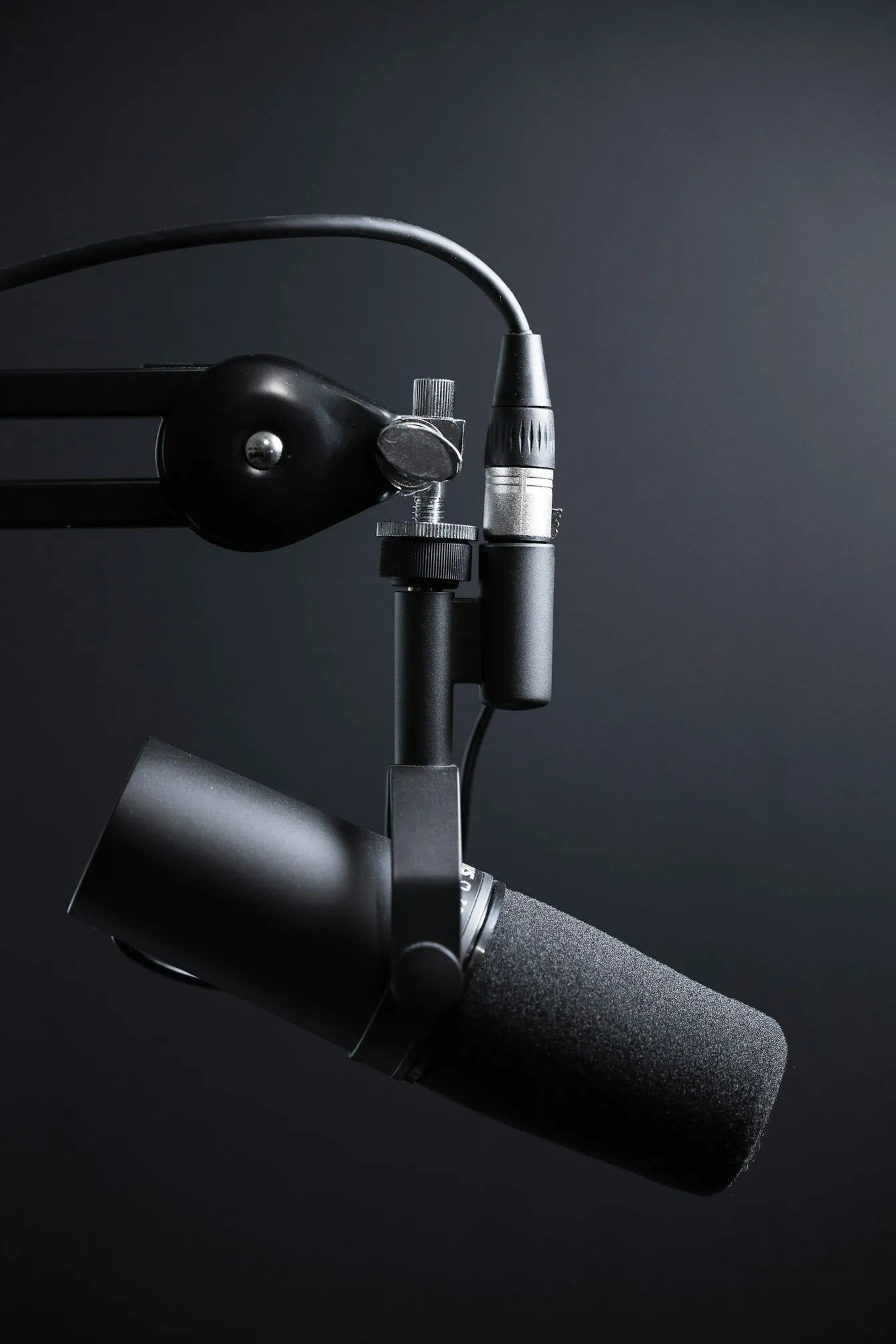
Plug straight in or mic up an amp? The choice between DI and amp recording shapes not just your guitar tone but your whole workflow after the session ends.
Electric guitar is unusual: the sound you imagine lives in a chain of instrument, amplifier and speaker, but modern recording lets you split that chain apart. DI recording captures the raw instrument signal before any amplification; amp recording captures the finished product of amp and speaker in a room. Each approach buys you something different.
What DI recording actually captures
A DI input or box records the guitar's raw signal: full of frequency content the amplifier would shape away, brighter and thinner on its own, but completely flexible afterwards. Through software amplifiers and speaker simulations, that signal becomes anything from glassy cleans to heavy rhythm walls. DI also solves the apartment problem: no noise, no volume, no neighbours, and recordings made at midnight that sound identical to daytime takes.
What miking an amp gives you
An amp in a real room produces interplay that software approximates but does not fully copy: speaker compression, cabinet resonance, and the microphone's view of all of it. Players respond to that sound and feel while performing, which often changes phrasing and dynamics for the better. Moving a single dynamic microphone across the speaker cone, from centre to edge, reshapes the tone more dramatically than most plugins ever will.
Committing now versus deciding later
The deeper trade-off is creative timing. Amp recording forces decisions while the player is inspired and the take is fresh; the sound you print is the sound you keep. DI recording postpones every decision to the mix, which is either freedom or procrastination depending on how decisive you are. Many producers record both at once, a technique called re-amping, where the DI is later sent back through a real amp in a real room, capturing inspiration now and tone options later.
Practical realities: noise, time and consistency
Amp recording needs a space where volume is welcome, consistent microphone placement between takes, and some discipline about levels and hum. DI needs a clean gain setting, a stable interface input and the patience to build tones in the mix instead of in the room. For layers and doubles, DI through matched settings is ruthlessly consistent; for a live-feeling core track, an amp with a player in front of it is hard to beat.
Choosing the right approach for the song
Record DI whenever volume or time of day rules out amps, whenever you want to audition tones against the full mix later, and always as a safety track alongside any amp take. Mic the amp when the performance depends on hearing the real thing, when you know the tone you want, and when the room cooperates. Our audio recording service handles hybrid DI and amp sessions every week, and when tone decisions pile up, our mixing and mastering service resolves them in the balance.
Frequently asked questions
Is DI recording good enough quality for a release?
Yes. The DI signal itself is clean and full range, and modern software amplifiers turn it into release-ready tones. What DI lacks is the spontaneous interplay of a real amp in the room, which matters for feel more than fidelity.
What exactly is re-amping?
Re-amping plays a recorded DI signal back out of your interface through a real amplifier and speaker, which you then microphone and record as a new take. It separates performance from tone decisions and is standard practice in professional sessions.
Can I record the DI and the mic'd amp at the same time?
Yes, and it is the smart default: use two interface inputs, keep the DI as the untouched safety copy, and print the amp tone you like in the moment. You keep both inspiration and options without extra takes.
Not sure which route suits your guitar parts? Work with Sinus Media and we will capture both the feel and the flexibility your song needs.
Keep Reading