
 Music Production
Condenser vs Dynamic Microphone: Which Do You Need?
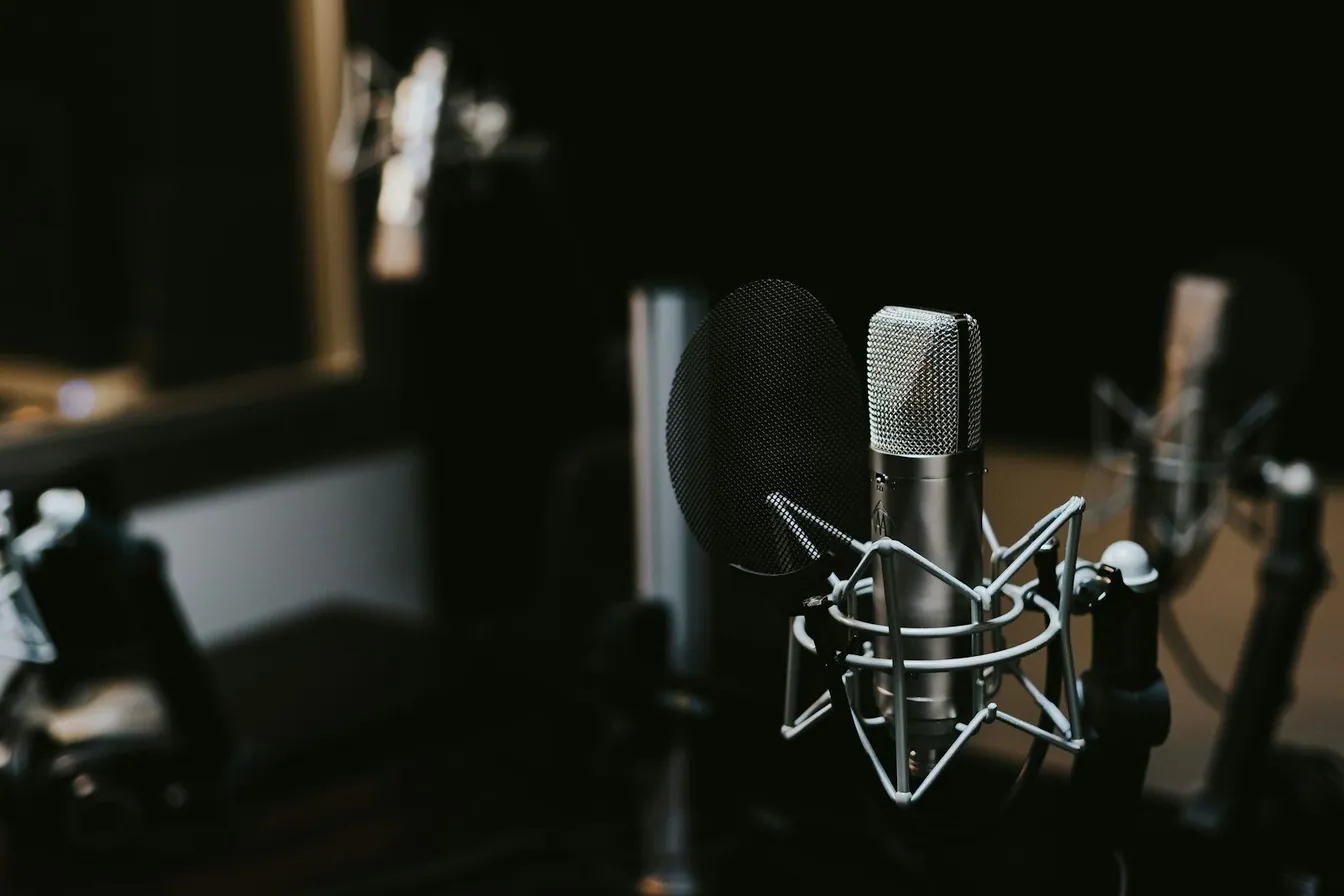
Every recording starts with a microphone, and the choice between a condenser and a dynamic model shapes your tone before you touch a single fader. Understanding what each type does well takes the guesswork out of the decision.
If you have browsed gear lists or watched studio tours, you have seen both types side by side. Condensers dominate vocal booths; dynamics anchor live stages and drum rooms. The difference is not about quality tiers but about how each capsule converts sound pressure into signal, and what that means for your room, your source and your workflow.
How each microphone type captures sound
A condenser microphone uses a thin, charged diaphragm mounted extremely close to a backplate. That lightweight assembly responds to very small pressure changes, which is why condensers capture fine detail, fast transients and airy top end. Because the capsule needs power to hold its charge, most condensers require 48-volt phantom power from your interface or preamp.
A dynamic microphone works with a moving coil attached to a heavier diaphragm. It generates its own signal through electromagnetism, needs no external power, and tolerates rough handling, high sound pressure levels and humid climates. The trade-off is a slightly softer response to extreme highs and a quieter output that leans on your preamp gain.
When a condenser is the better choice
Condensers reward controlled rooms and careful placement. Reach for one when you are recording:
- Vocals in a treated space, where the sensitivity picks up nuance and breath without also magnifying reflections.
- Acoustic instruments such as guitar, strings and piano, where extended high frequency detail matters.
- Overhead and room positions on a drum kit, where fast transients give cymbals their sparkle.
- Quiet, layered sources like fingerpicked guitar or whispered doubles, where low self-noise keeps the recording clean.
When a dynamic microphone wins
Dynamics shine exactly where condensers struggle. Choose one for loud guitar amps, snare drums, toms and brass, where high sound pressure would overload a sensitive capsule. In an untreated bedroom or a noisy home, a dynamic is often the more forgiving choice: it hears less of the room, less of the traffic outside and more of what you point it at. Vocalists with a loud, aggressive delivery also frequently sit better on a dynamic, since the capsule naturally tames sharp consonants and keeps plosives manageable.
Practical differences you will notice at the desk
Expect to apply noticeably more gain for a dynamic than for a condenser on the same source, so make sure your interface has clean gain in reserve. Condensers pick up keyboard clicks, chair creaks and fan hum, so silence the room before you hit record. Dynamics let you sing or play closer to the grille, which increases the proximity bass effect and helps a voice sit forward in a mix without heavy processing.
Building a small microphone collection
If you can own only one microphone, match it to your room first: a dynamic for bare bedrooms, a condenser for treated spaces. If you can own two, one large-diaphragm condenser for vocals and acoustic sources plus one dynamic for amps and drums covers nearly every home session. Add specialised small-diaphragm condensers later, once your room and craft justify them. For a second opinion on what suits your project, our audio recording service works with both families daily, and our vocal production service matches vocal chains to individual voices.
Frequently asked questions
Can I record vocals with a dynamic microphone?
Absolutely. Many professional vocal records are cut on dynamics, especially in rooms that are not acoustically treated. Sing close to the grille, apply enough clean gain and control plosives with technique or a filter, and the result can sit confidently next to condenser recordings.
Do all condenser microphones need phantom power?
Nearly all. The charged capsule and internal electronics require external voltage, conventionally 48 volts, supplied by an interface, preamp or battery in some models. A few condensers run on other voltages, so check the specification before you buy, and switch phantom power off when plugging in ribbon microphones or unbalanced sources.
Which type is better for a bedroom studio?
In most untreated bedrooms, a dynamic microphone is the safer first purchase because it ignores more of the room. If your space is quiet, small and softened with curtains, carpets and panels, a condenser will reward you with more detail. Treat the room as the variable that decides, and upgrade in that order.
Want your next vocal or instrument session captured on the right microphone in a properly treated room? Talk to Sinus Media and book a session with engineers who make this choice every day.
Keep Reading