
 Music Production
Click Track Guide for Session Musicians
Session work lives and dies by time. The click track is the invisible bandmate that keeps every overdub, every edit and every collaborator locked to the same pulse.
Recorded music is assembled in layers: drums today, bass tomorrow, strings next week. The click is the reference that lets those layers, recorded at different times in different rooms, land together. For session musicians, playing well to a click is as fundamental as tuning, and it is a skill you can practise deliberately.
Why the click exists and when it matters
A click guarantees a steady tempo, which makes editing, looping, grid alignment and tempo-synced effects possible later. It matters most when the arrangement is dense, when multiple sessions contribute parts, when the producer plans sample alignment, and whenever the music will be edited heavily. Some genres deliberately avoid clicks for feel; the professional skill is knowing which situation you are in and following the brief.
Setting the tempo before you record
Agree the tempo as a number, not a vibe. Sing the song's most rhythmic section at its natural speed and match a metronome to it; check the chorus and the bridge too, because verses often creep faster than singers realise. Confirm where the count-in starts, whether the click continues through breaks, and whether tempo changes or stops are mapped. Two minutes of alignment before rolling saves an hour of surgery afterwards.
Practising with a metronome deliberately
- Start slower than feels necessary and perfect coordination before raising the speed.
- Practise landing exactly with the click, not a hair ahead or behind, then practise playing deliberately slightly behind for feel.
- Drop the click for bars at a time and return to it, testing your internal clock.
- Practise with clicks only on beats one and three, then only on beat one, to prepare for sparse cues.
Tempo maps, odd metres and pushing or pulling
Modern sessions often use tempo maps, where the click speeds up and slows down at marked bars, or shifts between metres. Read the map before the session, mark the changes on your chart and rehearse the junctions. Learn the difference between playing on the click, just behind it for a laid-back feel and just ahead of it for drive; producers ask for all three, and being able to shift your placement on request is what separates hired musicians from hobbyists.
Cue mixes and hearing the click comfortably
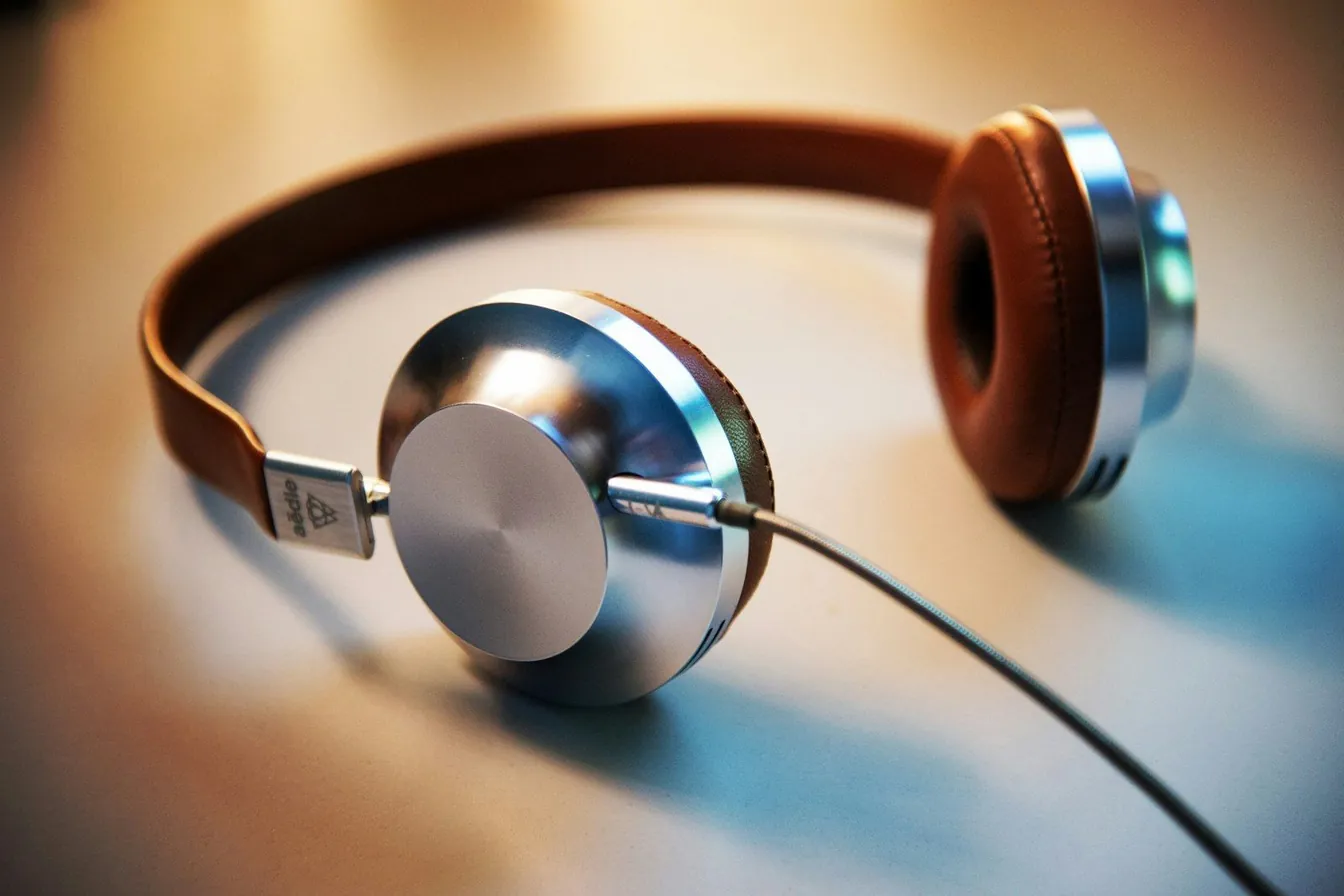
In the studio you will hear the click through headphones, usually blended with the existing tracks. Ask for the click in one ear only if that helps, keep it at a level that does not fatiguingly pierce, and request a different click sound if the current one hides under your instrument. High-frequency clicks vanish under cymbals and hats, so drummers and percussionists often prefer a woodblock or a low tone. If you are building session skills as part of a broader career, our artist development service covers the studio craft that producers expect, and our arrangement primer explains why parts are recorded in the order they are.
Frequently asked questions
Should every recording be made to a click?
No. Songs that breathe tempo naturally, solo performances and genres built on free timing often suffer under a click. Ask the producer's intent first; when in doubt, record to a click but keep a free-tempo safety take.
How do I get better at playing to a click?
Practise daily with progressively sparser click patterns, record yourself and compare your attacks against the grid, and rehearse tempo transitions slowly. Improvement is clearly noticeable within weeks of deliberate practice.
What tempo should a song be set to?
The tempo at which the song's core groove feels inevitable when performed naturally, verified against the most rhythmically active section. Numbers matter less than consistency: once chosen, the click enforces them everywhere.
Want session work that bookers call back for? Join the Sinus Media roster and play on productions where the click, the cue mix and the craft are handled properly.
Keep Reading