
 Music Production
Acoustic Treatment Basics for Home Studios
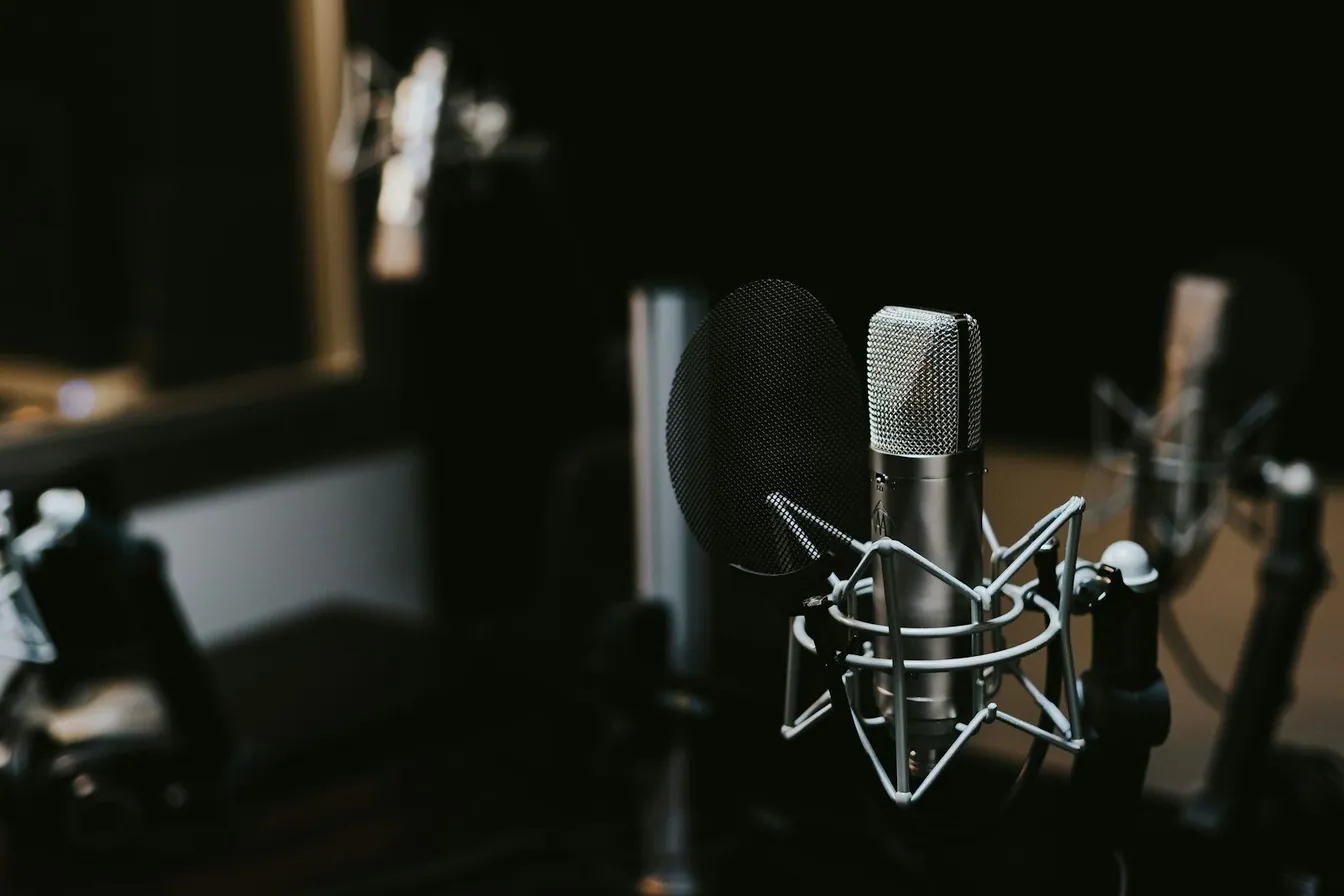
Your room is an instrument that plays along with every recording and every mix. Acoustic treatment is how you quiet that unwanted second performer, and a few informed panels beat a wall of guesswork.
Untreated rooms add reflections, resonances and uneven bass to everything you hear. Microphones capture those flaws along with your performance, and mixing decisions get skewed by frequencies the room exaggerates or swallows. Treatment does not need to be expensive or scientific; it needs to target the right surfaces in the right order.
Absorption first: where panels actually go
Porous absorption converts sound energy into tiny amounts of heat as air moves through it. The most valuable placements are where reflections cause the most damage:
- First reflection points on side walls, ceiling and desk, found with the mirror trick: sit in your listening position while a friend slides a mirror along the wall; wherever you can see a speaker in the mirror is a treatment spot.
- The wall behind the speakers and the wall behind you, which otherwise cause a blurry centre image and smear stereo placement.
- Corners, with thick bass traps, because low frequencies pile up there and thin panels cannot touch them.
Why thickness and coverage beat fancy materials
Thin decorative foam mainly softens high frequencies and leaves the midrange and bass untouched, which can make a room sound dull and boomy at once. Aim for panels that are as thick as your space allows, with an air gap behind them where possible, and cover enough surface area to matter. Heavy curtains, a filled bookshelf and a rug are honest allies in a small room, but purpose-built absorption is the backbone.
Diffusion and the small-room reality
Diffusers scatter reflections rather than absorbing them, which keeps a room lively without flutter echoes. In genuinely small bedrooms, diffusion often behaves inconsistently because the room is too short for scattered energy to develop properly. Treat diffusion as a later refinement; prioritise absorption and bass control first, then evaluate whether the room sounds over-dead or brittle.
Recording corners versus mixing corners
If you both record and mix at home, treat two zones differently. The listening position wants symmetry and strong first-reflection control. The recording area wants quiet and deadness around the microphone: a closet of hanging clothes, a duvet on a stand or a small vocal nook outperforms nothing at all. For remote guidance on capture chains, our vocal production service helps singers set up exactly this kind of corner. If the room keeps fighting back no matter what you hang, our audio recording service offers treated rooms that need no further panels.
Simple tests that tell you it worked
Clap once in the middle of the room: before treatment you may hear a metallic flutter, after treatment a short, dry thud. Play a familiar song and listen for whether the bass notes read at similar loudness and the centre image sits stable between your speakers. Measure with a calibrated microphone and free software if you enjoy data, but trust the clap and your reference tracks first.
Frequently asked questions
Do cheap foam panels actually work?
They absorb some high frequencies but do almost nothing for midrange buildup or bass, so rooms treated only with foam often sound worse balanced than before. If foam is what the budget allows, cover more area and layer it, but plan proper thick panels as the real fix.
Can I acoustically treat a small bedroom?
Yes, and small rooms benefit the most from bass traps and first-reflection panels. You cannot fully defeat the physics of a small boxy room, but thick corner traps, a rug, curtains and panels at the mirror points transform both recording and mixing results.
What should I treat first with a tiny budget?
Build or buy the thickest panels you can and place them at the side-wall first reflection points and the wall behind your speakers. Add corner bass traps next. That sequence fixes more audible problems than any other order.
Recording or mixing in a space that fights you? Work with Sinus Media and capture your next project in rooms that are treated, tested and ready.
Keep Reading