
 Music Production
Song Arrangement Basics: A Guide to Building Your Track
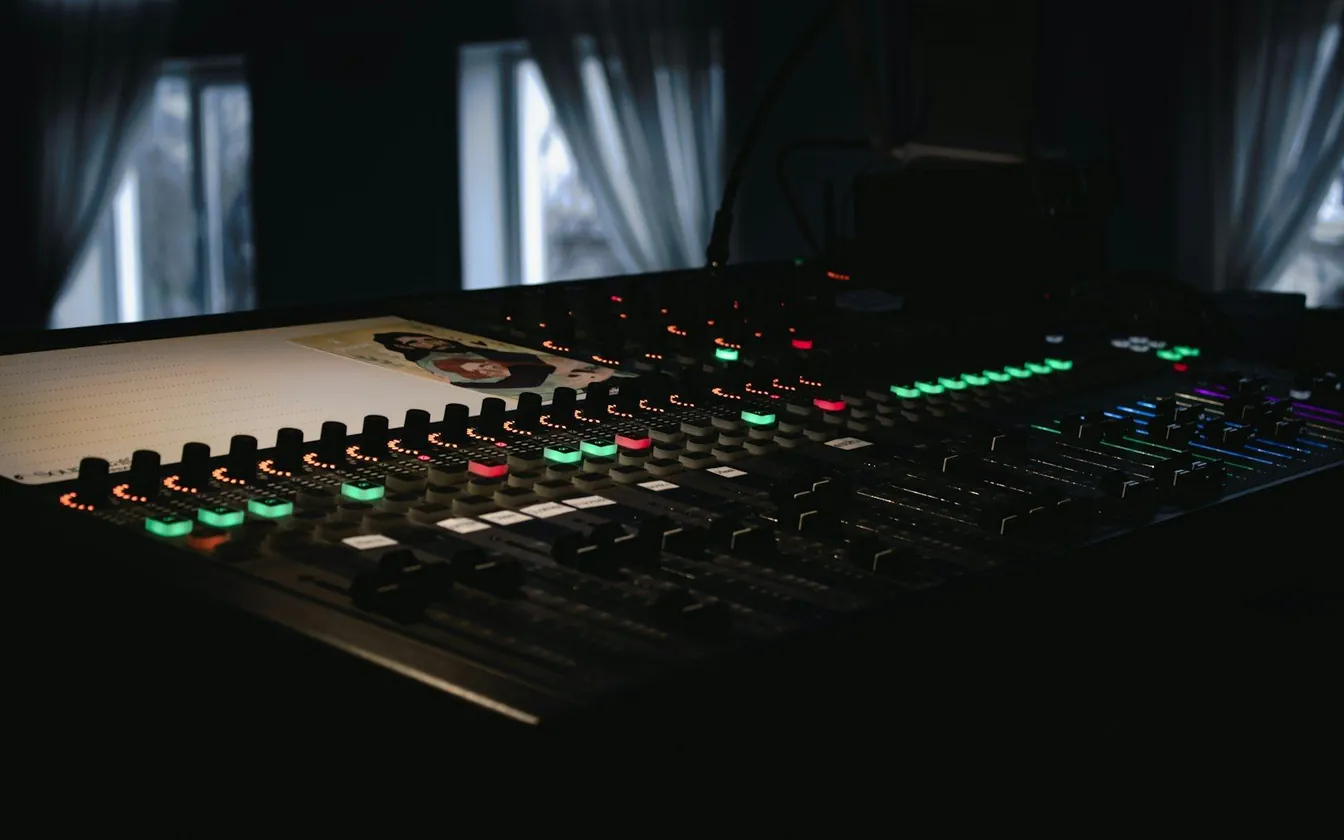
Song arrangement is the craft of deciding what happens when: which instruments enter, where they leave, and how energy rises and falls across the track. This guide to the basics will help you hear arrangements clearly and make deliberate choices in your own music.
A great song with a flat arrangement often underperforms a decent song with a great one, because listeners respond to movement. Arrangement is where that movement is designed, and it is decided before and during production, never left for the mix to rescue.
What arrangement actually decides
Arrangement answers concrete questions: when do the drums enter? Does the second verse stay bare or add a layer? Is there an instrument for the bridge that appears nowhere else? How long is the intro before the vocal? These choices, more than any single sound, determine whether a track feels alive from first listen to final fade.
Build energy on purpose
- Start smaller than the chorus: save the fullness for the payoff so it lands.
- Change something regularly: a new layer, a drop or a fill keeps momentum through the middle.
- Lift into sections: fills, risers or a cleared bar before a chorus signal the turn.
- Reserve one surprise: an unexpected instrument or drop late in the song rewards attention.
Choose instruments that serve the song
Every instrument should have a job: rhythm, harmony, melody, counterpoint or texture. If a part has no job, cutting it usually strengthens the track. Use contrast in timbre, register and rhythm between layers so each remains audible, and remember that the voice is usually the lead instrument the whole arrangement supports.
Leave room for the vocal
The most common arrangement fault is crowding the singer. Before vocals are recorded, imagine the melody's register and keep that space relatively open; dense harmony belongs above or below it. When in doubt, mute parts while the vocal plays and notice how much clarity you gain from fewer elements fighting for the same lane.
Arrangement work in the studio
Producers treat arrangement as a living plan: they test section lengths, try alternate entrances and cut parts that do not earn their place. This is core to our music arrangement work, and you can explore the deeper craft in our article on arrangement basics. Bring your own questions, such as whether the intro is too long, to the session; they are exactly what pre-production is for.
Frequently asked questions
Should the arrangement be finished before recording?
Have a strong plan, but keep flexibility. Recording often reveals a better idea, and budgeting a little room to test it produces better records than rigidly executing a map that no longer serves the song.
How long should each section be?
As long as the song needs, judged by feel: does the listener stay engaged, and does the section deliver what it promised? Modern listeners forgive unusual lengths but not stagnant sections.
What if I only have a voice and chords?
That is a starting point, not a limitation. Many productions begin exactly there: the producer designs the arrangement around your melody and builds the layers section by section with you.
Give your song the arrangement it deserves. Start a project with us or explore our services.
Keep Reading