
 Music Production
Recording Rap Vocals Guide: Delivery, Punch-Ins and Energy
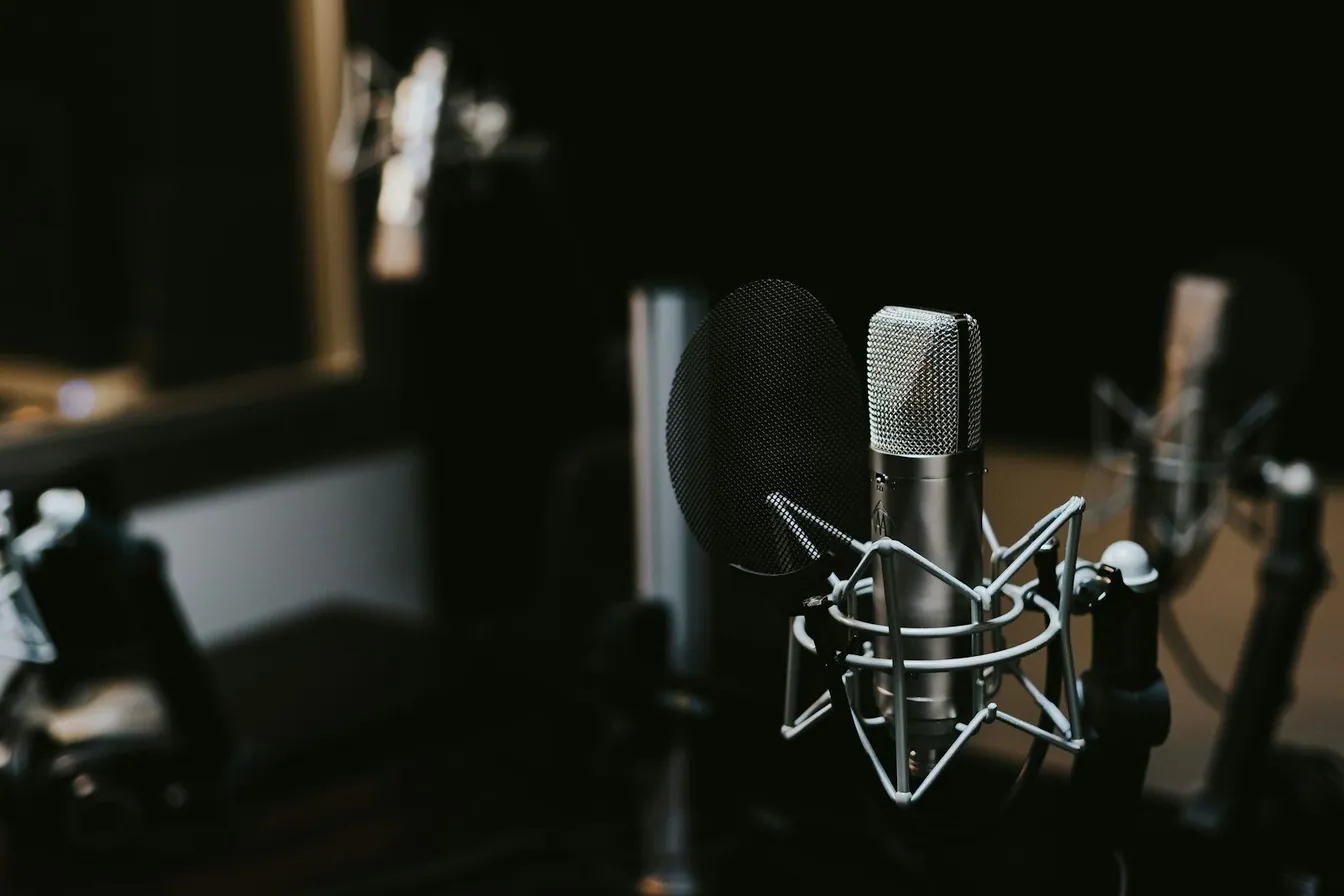
Recording rap vocals is a game of energy and precision. The voice is the rhythm section, the melody and the story at once, and the recording has to carry all three.
Rap sessions fail differently from singing sessions: takes lose punch when delivery tightens up, punch-ins stack up when breath support fades, and untreated rooms turn fast consonants into mush. This guide covers preparation, setup and workflow for rap vocals that hit.
Prep the delivery before the session
Know the lyrics without reading them line by line. Rehearse at performance volume, not a mumble, so your mouth learns the articulation at full speed. Decide ad lib placements in advance and mark breath points so they do not interrupt cadences. Memorised, rehearsed delivery is the single biggest quality jump in rap recording; everything technical supports it.
Mic and room setup for rap
Rap delivery is percussive and close, so a dynamic microphone or a condenser with a pop filter both work; dynamics often handle aggressive consonants gracefully and forgive untreated rooms. Work around five to ten centimetres from the capsule with a filter in place, and put absorption behind and beside the microphone. Set input gain on your loudest rehearsal pass. Stand grounded, one foot slightly forward, and keep the microphone at mouth height so posture stays natural.
Punch-ins versus one-take flow
One full take carries a momentum that editing can hear, so always attempt complete passes first. Then fix specific lines with punch-ins, recording a few words before and after the target line so edits blend. Keep energy identical on punch-ins; a patched line at eighty percent energy is audible instantly. Build the song in sections: track the hook until it is locked, then move to verses, then ad libs. That is how our engineers structure audio recording sessions for rap projects.
Keeping energy from first bar to last
Fatigue kills cadence. Record demanding verses early in the session, take short breaks between full passes and monitor your own playback honestly: if a take sounds safe, do it again at full commitment. Composite the best sections into the final lead. Tight timing and committed delivery also give mixing everything it needs, which is where our vocal production team takes over, from tuning to timing polish on melodic hooks.
Frequently asked questions
Should rap vocals be recorded in one take?
Attempt full takes first because flow carries momentum. Use punch-ins to fix specific lines afterwards, keeping energy matched so the final composite sounds continuous.
Do I need a different microphone for rap than singing?
Often a dynamic works better for close, percussive delivery, while condensers capture more detail but also more room. Match the microphone to your delivery and your space, not to genre rules.
How close should I be to the microphone when rapping?
Around five to ten centimetres with a pop filter. Closeness adds weight and presence; pull back slightly on the loudest sections so the level stays controlled.
Ready to record verses with real weight? Start a project with us and capture your rap vocals with a setup built for flow.
Keep Reading