
 Music Production
 Terms Every Artist Should Know
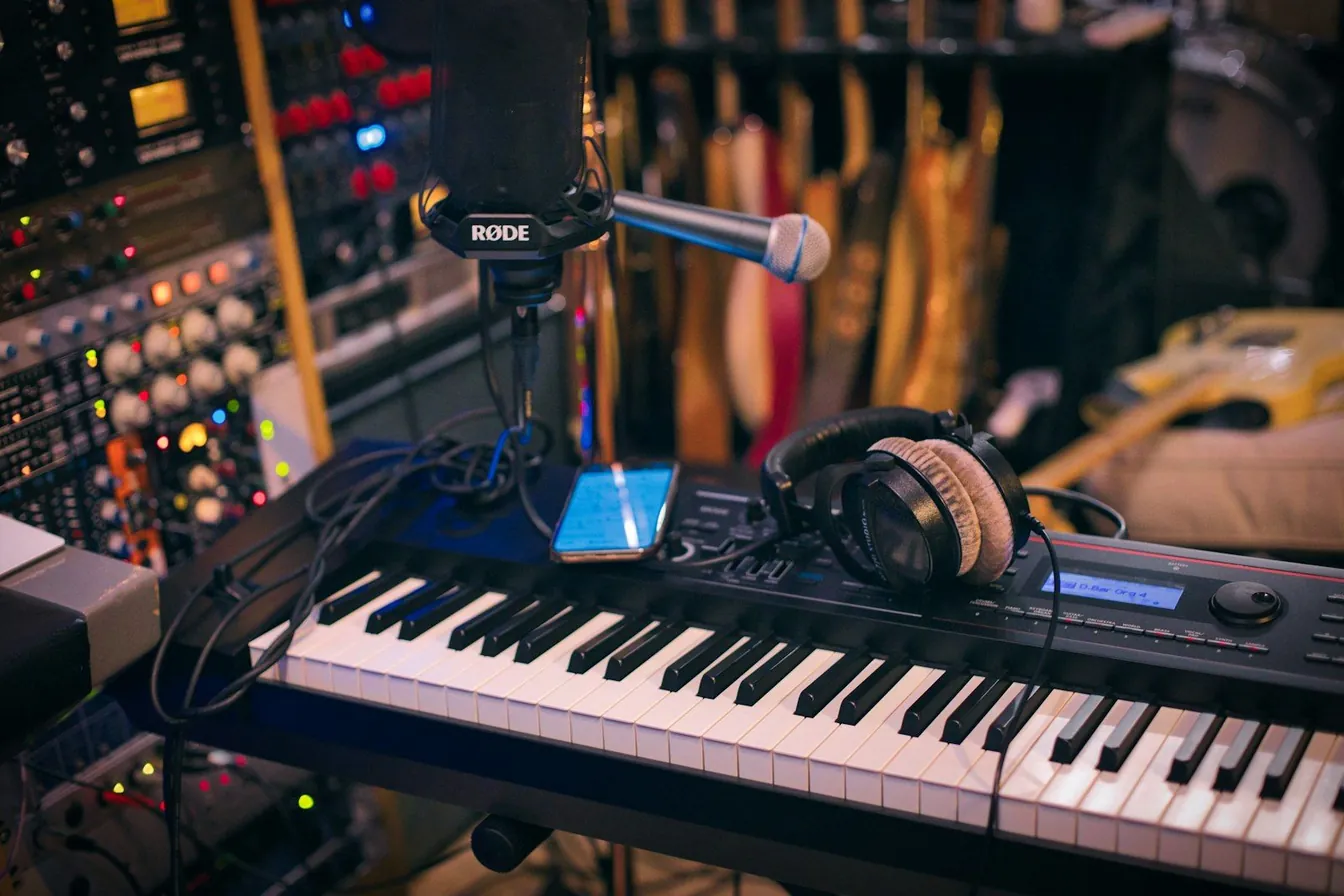
Studio conversations move fast, and not knowing the vocabulary can make you feel like a guest in your own project. These music production terms every artist should know will help you follow the session, give sharper notes and make decisions with confidence.
You do not need an engineering degree. You need the words that come up constantly during production, arranged in the order you will meet them: first in the tracking room, then in arrangement work, then in the mix. Learn these and you will never have to nod along blindly again.
Terms you will hear while tracking
These come up from your very first audio recording session onward:
- Tracking: recording a performance into the session, one part at a time.
- Take: one complete attempt at a part; you may record several and choose later.
- Comping: assembling the best moments from multiple takes into one performance.
- Overdub: adding a new part on top of existing recordings.
- Click track: a metronome that keeps every take aligned to the tempo.
- Scratch track: a quick guide recording used for feel, meant to be replaced.
Arrangement and production terms
- Arrangement: the plan of sections and instruments across the song's timeline.
- Layers: the individual rhythmic, harmonic, melodic and textural parts stacked to build the record.
- Stems: grouped exports of a mix, such as drums alone or vocals alone, useful for edits and live use.
- Bounce: rendering parts or a full mix into audio files.
- Hook: the most memorable melodic or lyrical idea, usually in the chorus.
Mix terms worth understanding
- Balance: the relative volume and position of every element.
- EQ: shaping the tone of a sound by boosting or cutting frequency areas.
- Compression: controlling the dynamic range of a performance so it sits steadily.
- Reverb and delay: space and echo effects that place sounds in an environment.
- Automation: programmed changes over time, like a vocal lifting into a chorus.
- Headroom: the level space left before distortion; good mixes leave enough for mastering.
- Reference track: a released song used as a calibration point for tone and level.
Delivery and mastering terms
The mix is the blended version of your song; the master is the final polished version prepared for release, with consistent loudness and tone across formats. Turnaround is the time a studio needs to deliver a stage, and revisions are the included rounds of feedback. If the last two words are new to you, our guide to the difference between mixing and mastering clears up the whole chain.
Using this vocabulary in real sessions
Use the words to sharpen your notes. 'The double in the second chorus is late' is actionable; 'the vocals feel weird' is not. When a term is unclear, ask the engineer to play a comparison; professionals are happy to explain, and a shared language keeps the creative momentum going through long sessions.
Frequently asked questions
What does comping mean for my vocals?
It means the producer or engineer selects the best phrases and lines from your recorded takes and assembles them into one ideal performance, then smooths the joins so it sounds seamless and natural.
Do I need stems for a normal release?
Not usually; the finished master is enough. Stems become valuable for remixes, sync licensing, live rigs and future edits, so it is wise to ask that they be archived as part of delivery.
What is headroom and why does it matter?
Headroom is the safety margin between your loudest peak and the ceiling of the file. A mix with sensible headroom lets the mastering engineer add loudness and clarity without crushing the life out of the song.
Ready to put the vocabulary to work? Start a project with us or explore our services.
Keep Reading