
 Music Production
 Process for Singers: What to Expect
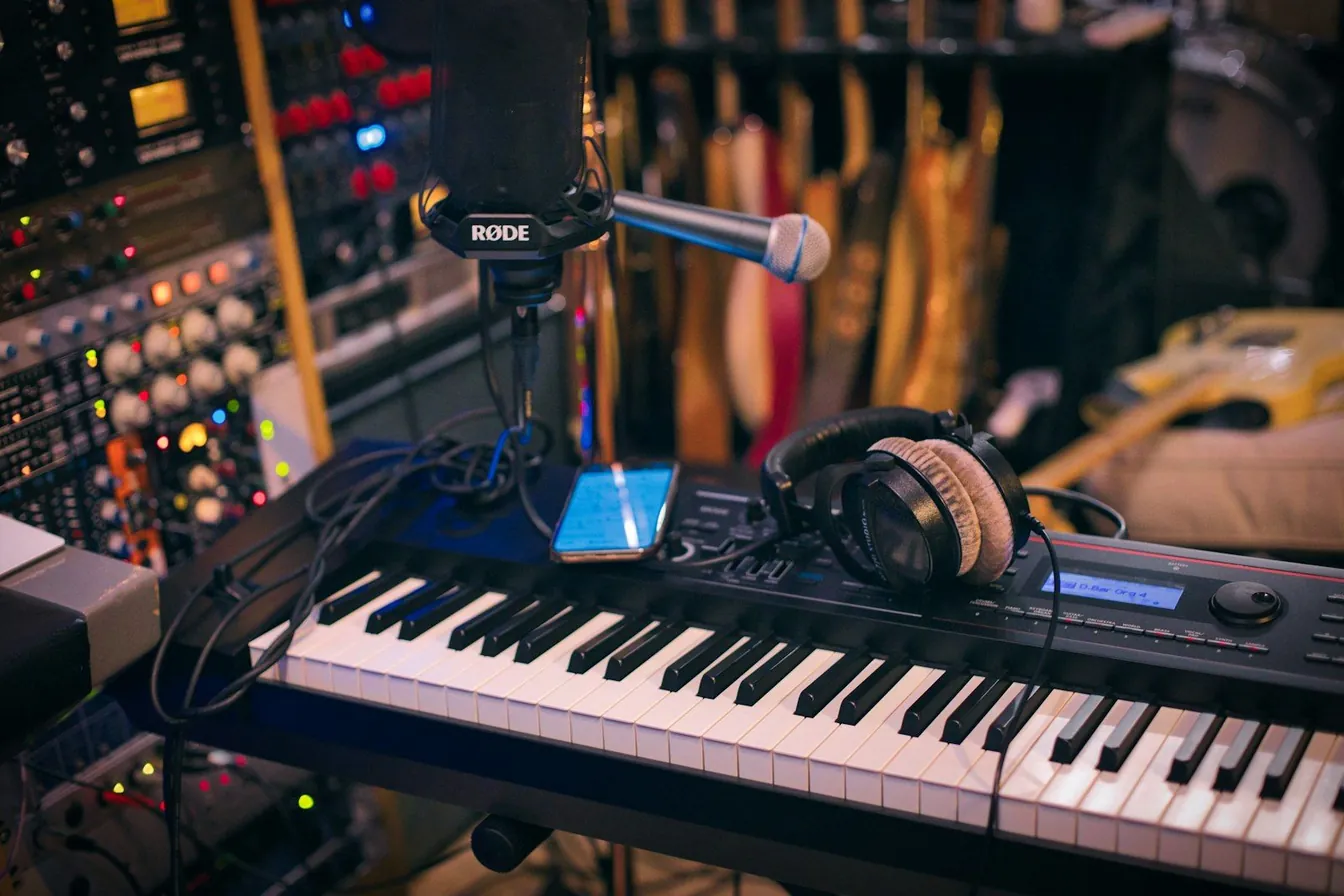
The music production process for singers has its own rhythm: your voice is the centerpiece, and every stage exists to support it. Here is what the journey looks like from demo to finished record, and what you can do at each step to deliver your best performances.
Singers often arrive at production with a finished vocal idea but an unfinished track around it, or the reverse: a beautiful bed of music waiting for a melody. Either way, the process is built around capturing a performance that feels true, then assembling the record around it.
Start with a vocal-first demo
Record a simple version of the song with your voice clearly forward: melody, lyrics and rough chords are enough. This becomes the reference every later decision serves. Confirm the key sits in the strongest part of your range, not merely a comfortable one, because a chorus you can lean into changes everything downstream.
Pre-production and the scratch track
With a producer, you will settle tempo, structure and the emotional arc of the vocal before tracking. In the studio, a scratch vocal is recorded first, purely to guide the instrumental build. Some singers worry it will be kept; it is almost always replaced, and its job is simply to make the arrangement serve your phrasing.
What a vocal tracking day looks like
- Setup and comfort: headphone mix, lighting and temperature adjusted until you can forget the room.
- Warm-up passes: low-pressure singing to settle nerves and calibrate levels.
- Full takes: complete performances that capture momentum and storytelling.
- Punch-ins and section passes: targeted fixes for lines that need another angle.
- Harmonies and doubles: supporting layers recorded while your voice is fully warm.
After tracking: vocal production
The producer and engineer comp the best moments into one seamless performance, then shape it: tuning where it helps the emotion, doubles where the chorus needs size, and effects that place the voice inside the world of the song. This stage is where good recordings become great ones; our vocal production page explains the scope, and our guide to vocal production techniques goes deeper.
Mix decisions that matter to singers
In the mix, your voice should stay intelligible at every volume, from phone speaker to car. Notes you might give include pushing the vocal slightly forward in choruses, clarifying consonants, or letting a line breathe with space before the final hook. Trust references here: how do singers you admire sit in their own mixes?
Frequently asked questions
Should I finish the track before writing my melody?
Not necessarily. Many strong vocals are written against a simple loop or chords, and the production grows around the melody afterwards. What matters is that the final arrangement follows your phrasing, not that the beat came first.
How many takes will I need?
Fewer than you fear if you arrive prepared and warm. Plan for several full takes plus targeted fixes; comping makes the final performance stronger than any single pass could be.
Can I record vocals live with a band?
Yes, and it suits some styles beautifully. The tradeoff is less isolation and more dependence on everyone at once. Many projects go hybrid: a band for feel, then vocal overdubs in a controlled room.
Bring your voice and a rough idea; we will build the record around it. Start a project with us or explore our services.
Keep Reading