
 Music Production
 for Beginners: A Practical Guide
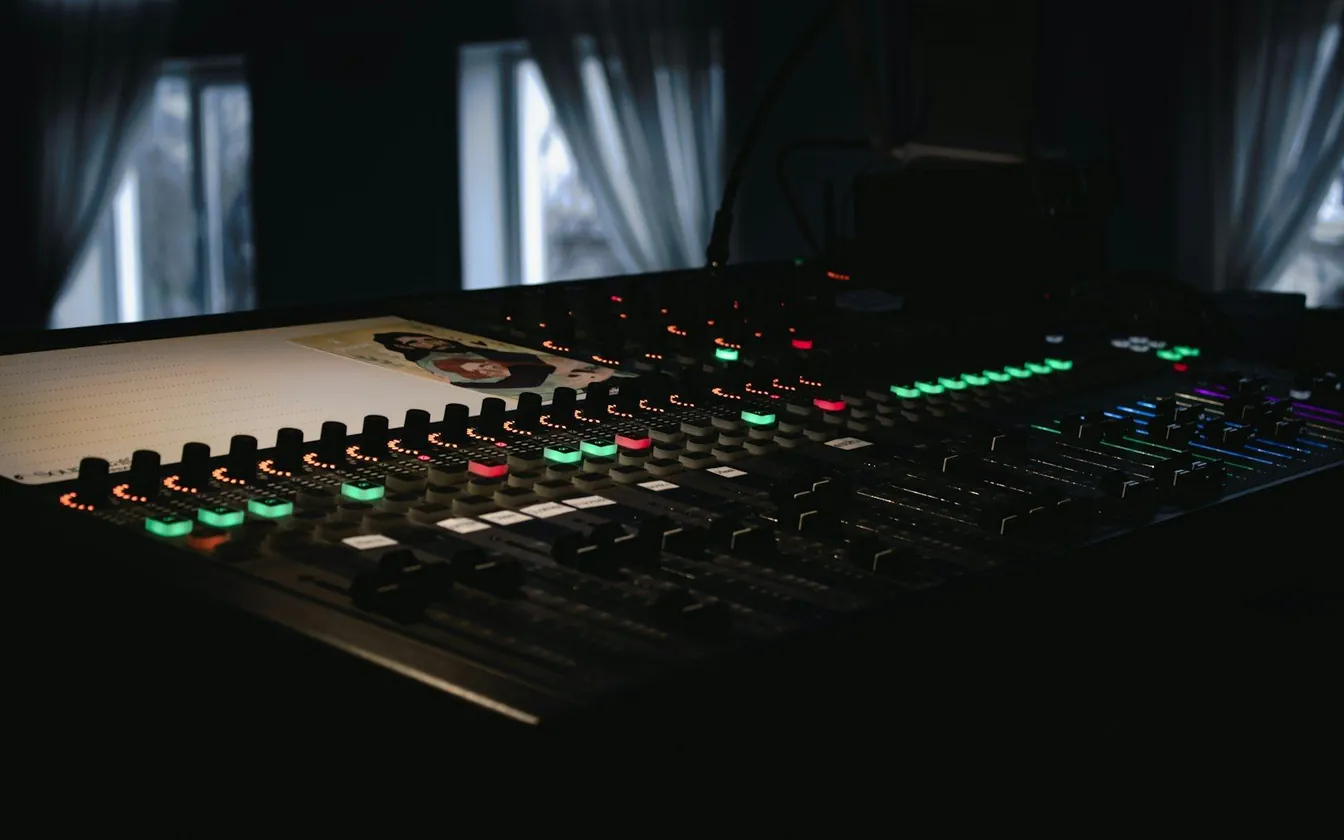
Starting music production can feel overwhelming: software, gear, theory and technique all compete for attention. This guide gives beginners a clear order of operations, so you spend energy on the things that actually make your songs better.
Good news first: you do not need a large setup to learn. You need a way to record, a way to listen accurately, and the discipline to finish what you start. Everything else is refinable later. Here is how to build real skills without drowning in gear talk.
Start with the setup you already have
A laptop, free production software and a basic pair of headphones are enough for your first year. Add an audio interface and a microphone when you begin recording vocals or instruments seriously. Upgrade your monitoring before you upgrade anything else, because every decision you make depends on what you can hear correctly.
Learn the stages before the shortcuts
Production is a pipeline, and knowing where you are in it keeps you sane. The core stages are writing, pre-production, recording, arrangement, mixing and mastering. Beginners usually blend the stages together and get stuck as a result. Keep them separate: write freely, then plan, then record, then polish. Our walkthrough of the music production process and its stages breaks this down step by step.
Finish songs, not settings
The fastest way to improve is to complete tracks, even simple ones. Finishing teaches you structure, arrangement and restraint, which no plugin can teach. A useful rule: once a song has a clear idea, a working structure and a rough balance, give yourself a deadline to call it done and start the next one. Volume comes from finished work, not from perfect work.
Build a simple weekly routine
- One study session: pick a single skill, such as compression or arranging, and focus on it for a week.
- One writing block: generate ideas without judging them.
- One finishing block: push an existing idea toward done.
- One listening session: study a song you love and note what it does section by section.
Beginner mistakes that slow you down
- Collecting tools instead of skills: new gear will not rescue an unfinished song.
- Mixing while writing: polishing too early kills momentum and buries good ideas.
- Skipping references: compare your work to released songs to calibrate your ears.
- Mixing loud all day: ear fatigue makes every decision less reliable than it feels.
When to work with professionals
DIY skills make you a better client even if you never produce records for others. When a song truly matters, booking professional music production gets you arrangement decisions, performance coaching and a mix that translates outside your room. Bring your home demos to the first conversation; they are the best briefing document you can offer.
Frequently asked questions
Which software should a beginner choose?
Whichever mainstream tool you can commit to. They all record, arrange and mix. Pick one, learn it deeply for a year, and resist the urge to switch every time a tutorial shows a shinier interface.
Do I need music theory to produce?
Not to start. Ears and repetition carry you a long way. That said, learning basic scales, chords and rhythm will speed up every future decision, especially when you collaborate with session players or arrangers.
How do I know when a song is finished?
When it communicates its idea clearly on first listen and nothing pulls you out of it. If you are only tweaking for the sake of tweaking, it is finished: park it, sleep on it, then decide with rested ears.
Want expert help on a song you have already started? Start a project with us or see what our team offers.
Keep Reading