
 Music Production
How to Prepare for Your First Studio Session
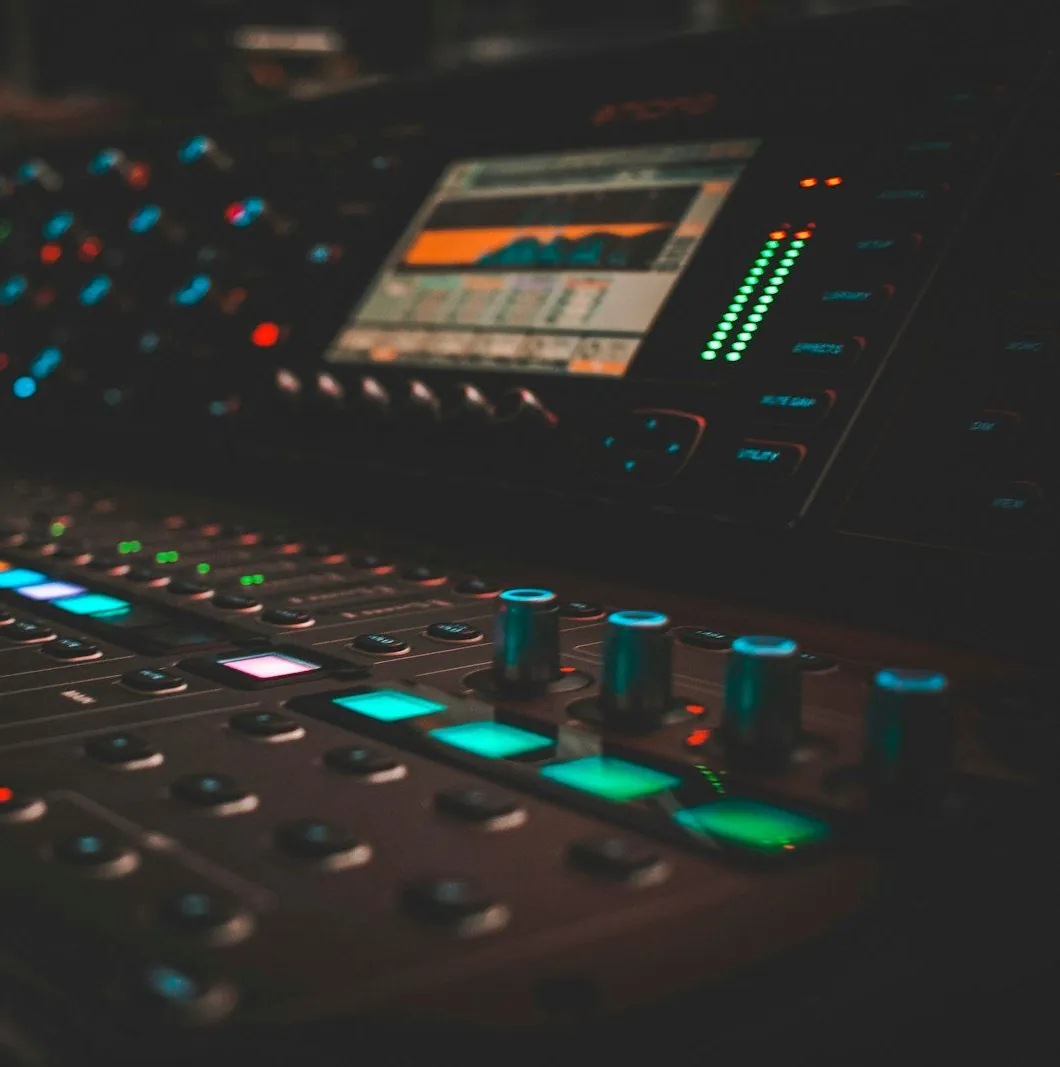
Your first studio session should feel exciting, not nerve-wracking. Knowing how to prepare for your first studio session comes down to three areas: your material, your body and your expectations. Get those right and the day becomes about music instead of logistics.
Studios are calm, structured places, and professionals expect clients to be nervous. The artists who get the best results from a first session are rarely the most experienced; they are the most prepared. Here is how to join them.
Before you book
Be honest with the studio about your experience and your goals. Say what you plan to record, how finished the material is and what a good outcome looks like for you. Ask what the studio needs in advance: files, references, tempo maps or lyric sheets. A good studio will send you a short brief; answer it fully and you have already done half the preparation. Our audio recording page shows how a first session usually runs.
Prepare your voice or instrument
In the week before the session, practice the songs at performance energy, not casual energy. Sleep well, stay hydrated and avoid anything that taxes your voice the night before. For singers, a gentle warm-up on the morning of the session matters more than a long one: arrive with your voice awake, not exhausted. If vocals are your focus, our vocal production team will guide the take selection with you.
Know your own song cold
You should be able to perform your song without reading lyrics, explain its structure in one breath and hum every melody line. Decide in advance where you are flexible and where you are not: some artists want the arrangement debated, others want it protected. That clarity speeds up every decision later in the day.
What to bring on the day
- Printed lyrics in large type: phone screens fail at the worst moments.
- Chord charts and your demo: on a drive and in the cloud, twice.
- Reference tracks saved offline: streaming drops happen too.
- Water, light snacks and layers: sessions run on comfort as much as talent.
- Any instrument you love: even a small item can define a part.
Working with the team on the day
Arrive early enough to settle in without rushing. Listen back honestly, give specific notes and trust the engineer's questions; they are diagnostic, not critical. When a take is good, say so and move on. Perfectionism on every single line drains the performance you came to capture.
Frequently asked questions
How early should I arrive?
Ten to fifteen minutes early is ideal: enough time to unpack and settle without sitting idle. Use it to get comfortable, check your headphone level and run your warm-up.
Can I bring a friend for support?
One calm, trusted person is usually welcome; a crowd is not. Every extra opinion in the room slows decisions and changes your performance. Choose your companion the way you would choose a bandmate.
What if my first takes are bad?
That is what sessions are for. Engineers expect warm-up takes, and comping later turns several attempts into one strong performance. Ask for a scratch pass to shake the nerves, then settle into the real work.
Book a friendly first session with a team that enjoys guiding new artists. Start a project with us or explore our services.
Keep Reading