
 Music Production
How to Choose a Vocal Microphone That Suits Your Voice
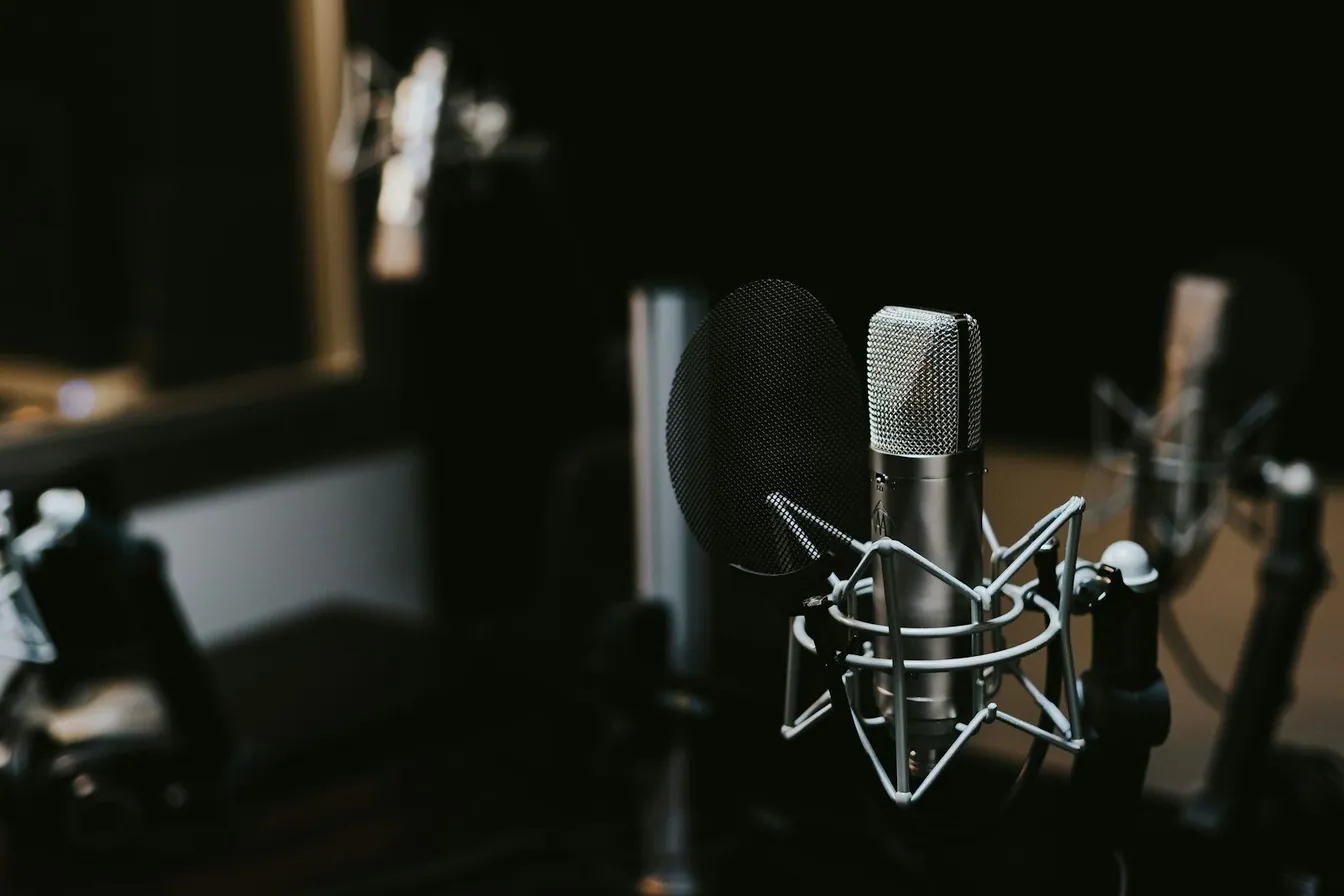
Choosing a vocal microphone is less about finding the best microphone in the world and more about finding the best match for your voice, your room and your budget.
Two singers through the same microphone can sound like different instruments. Bright voices may prefer a darker capsule, breathy voices often benefit from a microphone that forgives noise, and powerful voices need something that handles level without folding. This guide gives you the decision path our engineers use when selecting microphones for a session.
Start with your voice, not the spec sheet
Record yourself on whatever you own and listen critically. Is the recording harsh, dull, thin or muddy? That diagnosis points to the character you need. Harsh recordings suggest a smoother, darker microphone. Dull recordings suggest something with more top end detail. Write down what bothers you before shopping, because spec sheets describe microphones while your notes describe your voice.
Condenser or dynamic
Large diaphragm condensers capture detail and air, which is why they dominate studio vocal work. They need phantom power and they hear everything, including untreated rooms. Dynamics are less sensitive, more forgiving of imperfect spaces and often excellent for loud, punchy voices. Many professional studios keep both and choose per song. If your recording space is reflective or noisy, a dynamic may flatter you more than a condenser ever will.
Polar patterns and what they change
Cardioid picks up sound mainly from the front and rejects the rear, making it the default for vocals in ordinary rooms. Figure of eight captures front and back, useful for two singers facing each other but demanding for solo work in untreated spaces. Omni hears all around and sounds natural at close range, but brings the room with it. Start with cardioid and explore other patterns only when your space justifies it.
Spend on the chain, not just the badge
A modest microphone through a clean interface in a treated corner beats a premium microphone in a reflective bedroom. Budget in this order: room treatment and a pop filter first, the microphone second, then an interface or preamp upgrade. When you test microphones, sing the actual song at real intensity and compare recordings level matched. Our audio recording service keeps a range of microphones precisely so each voice gets matched rather than defaulted, and our vocal production team can advise before you invest in your own.
Frequently asked questions
Is a more expensive vocal microphone always better?
No. Price reflects build, brand and consistency, not suitability. A moderately priced microphone that matches your voice and room will outperform a costly mismatch every time.
Can I use one microphone for vocals and other instruments?
Yes. A cardioid condenser or a workhorse dynamic covers vocals, guitars and percussion reasonably well. Specialise later, once your recordings tell you what character you are missing.
Do I need phantom power for a condenser microphone?
Yes. Most large diaphragm condensers require forty eight volt phantom power, which nearly every audio interface supplies. Dynamics usually need none, which is part of their appeal for simple setups.
Not sure which microphone suits your voice? Start a project with us and we will match your vocal to the right chain in a treated room.
Keep Reading