
 Music Production
Home Demo vs Professional Production: What Changes
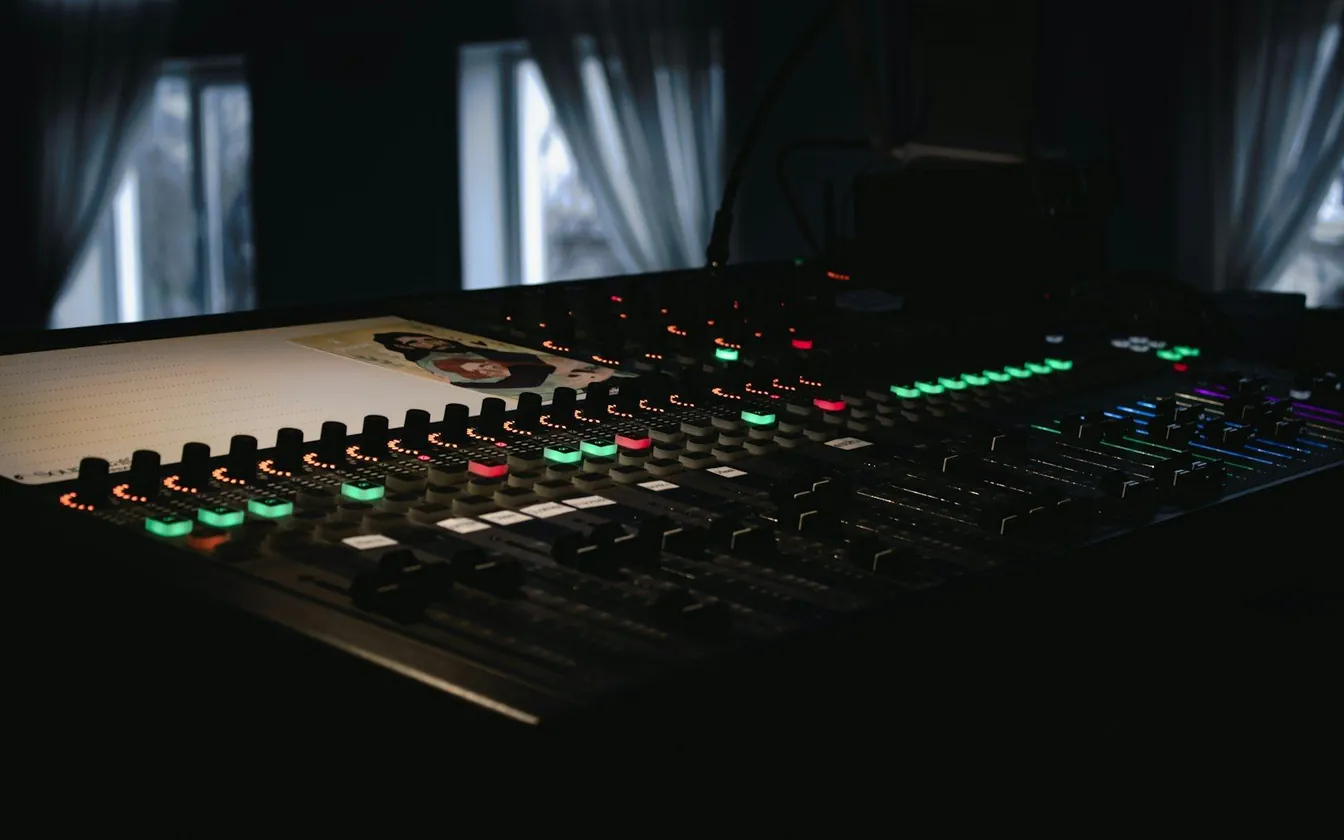
A home demo and a professional production are different tools, not different grades of the same thing. Understanding the home demo vs professional production difference helps you decide where to spend effort: sketching freely at home, or investing in a finished record.
Home recording has never been more capable, and that is a good thing for artists. But the ability to record is not the same as the ability to finish a release-ready record. The gap between the two is real, and knowing exactly what fills it makes you better at both.
What a home demo is for
A demo exists to capture the song: melody, lyric, mood and structure. It is a communication tool for collaborators, producers and your own decision-making. Judged by that purpose, a phone recording with a clear vocal and one instrument is often perfect. Demos should be fast and plentiful; polishing them is usually time that belongs somewhere else.
What changes in a professional production
- Capture: treated rooms, tuned instruments and deliberate microphone choice give every part a clean foundation.
- Performance: a producer coaches takes, arranges harmonies and keeps energy high across a long day.
- Arrangement: layers are chosen on purpose, with entrances and exits that build a story.
- Mix translation: the record is balanced to sound right on phones, headphones, cars and large speakers.
- Mastering: final level and tone are matched to released music without squashing the life out of it.
The differences listeners actually hear
Casual listeners may not name the reasons, but they feel them: low end that turns to mud on small speakers, vocals that fight the instruments, drums that vanish on a phone. Professional records avoid these traps through informed choices at every stage, not through magic. For the full journey, our guide on taking a demo to a professional record walks through it stage by stage.
When your demo is enough
Demos are enough for pitching to collaborators, testing setlists, developing your writing and choosing which songs deserve production investment. Keep them rough on purpose. The mistake is spending months pushing a demo toward a release it was never built for, when a planned production would have reached that goal sooner.
Turning the demo into the record
The best professional productions start from your demo, not from scratch. It carries the feel you fell in love with, and the production work rebuilds around that feel with better capture and a stronger arrangement. That is exactly how we approach music production for independent artists: your demo is the brief, and the studio is the upgrade.
Frequently asked questions
Can my home demo be upgraded instead of rerecorded?
Sometimes. If the performances are strong and the capture is clean, parts of it can be kept and rebuilt around. Usually the vocals are rerecorded in a treated room, and the instrumental bed is rebuilt or replaced section by section.
Do I need a demo before contacting a producer?
Yes, a rough one. It does not need polish; it needs to communicate the song. A producer can judge key, tempo, structure and potential from the simplest recording.
Why does my demo sound thin next to released songs?
Because released songs are layered, arranged and mastered by teams. Thinness usually comes from missing low end and too few layers, both of which are arrangement and production outcomes, not gear failures.
Send us your demo and we will tell you honestly what it needs. Start a project with us or see our services.
Keep Reading